.svg)



Wood shake roof inspection and repair in Palm Desert addresses a material that the desert climate works against in specific ways that most roofing content does not cover honestly. Cedar shakes were common on Palm Desert homes built through the 1970s, 80s, and 90s. Most of those roofs are now old enough that the repair-versus-replace question is the most important one to answer correctly.
Wood Shake Roof Inspection and Repair in Palm Desert
Wood shake roof repair in Palm Desert runs $300 to $1,200 for minor isolated work: replacing a small number of cracked or split shakes, repairing a flashing detail that has separated, or resealing a penetration around a pipe or vent. Moderate repairs covering a section of damaged shakes, multiple flashing failures, or underlayment work in a specific area run $1,200 to $4,000. Major repairs involving widespread shake replacement across a significant portion of the roof, damaged decking, or extensive underlayment work can reach $4,000 to $12,000 or more depending on roof size, pitch, and access.
A wood shake roof is made from split or sawn cedar pieces installed in overlapping layers over a breathable underlayment on a spaced or solid wood deck. Cedar shakes are thicker and more textured than cedar shingles, with a hand-split face that gives them the rough, dimensional appearance common on older Palm Desert custom and luxury homes. Shingles are machine-cut on both faces, thinner and smoother. The practical distinction matters because they have different installation requirements and different failure patterns, though both are cedar and both are subject to the same desert UV and heat stresses in Palm Desert.
The honest context for this roof type in Palm Desert: cedar shakes perform best in temperate Pacific Northwest climates with moderate moisture. Palm Desert's extreme UV, sustained high heat, and bone-dry air are not friendly conditions for wood. The desert dries wood out rather than rotting it, which means the failure mode here is cracking, splitting, and brittleness from desiccation rather than the rot and moss common in humid markets. A cedar roof in Palm Desert ages differently than one in Portland, and the maintenance calendar and replacement timeline reflect that difference.
How Desert Climate Affects Wood Shake Roofs in Palm Desert
Cedar shakes in Palm Desert face a specific set of stressors that differ from most of the national content written about wood shake roofing. Understanding how the desert works on cedar helps set accurate expectations about lifespan and maintenance.
- UV degradation and lignin breakdown. UV radiation breaks down lignin, the organic compound that gives wood its structural strength and flexibility. Palm Desert's solar intensity is among the highest in California. South-facing and west-facing roof sections receive more direct exposure and deteriorate measurably faster than north-facing sections. A cedar shake on the south slope of a Palm Desert roof may be significantly more degraded after 15 years than the same-age shake on the north slope. The UV breakdown makes the wood brittle, which is why cracking and splitting are the dominant failure pattern in the desert rather than the rot and mold common in humid markets.
- Thermal cycling and cracking. Wood expands when heated and contracts when cooled. In Palm Desert, where roof surface temperatures can exceed 160 degrees on a summer afternoon and drop to near freezing on winter nights, cedar shakes undergo significant daily dimensional change. Over years and decades, this cycling works cracks through shakes that have already become brittle from UV degradation. A shake that still looks intact from the ground can be cracked along its length in ways not visible until a hand runs over the surface or the shake is lifted for underlayment inspection.
- Desiccation and shrinkage. Palm Desert's low relative humidity draws moisture out of wood continuously. Cedar shakes that were installed at normal moisture content slowly dry toward equilibrium with the desert's arid air. As they dry, they shrink slightly, which can cause gaps to open between adjacent shakes or cause individual shakes to curl at their edges. Curled shakes lose the overlapping seal that keeps water out and create wind-uplift vulnerability during desert wind events.
- Wind event damage. The Coachella Valley experiences significant wind events, particularly through the San Gorgonio Pass corridor. Shakes that have become brittle and curled from desiccation are more vulnerable to wind damage than shakes in good condition. A single strong wind event can displace or break shakes that were marginal but still in place before the storm. Inspection after major wind events should be standard practice for any Palm Desert wood shake roof.
- Fire retardant treatment degradation. California requires that wood shake roofing materials used on homes meet fire retardant standards. The fire retardant treatment that was applied when shakes were manufactured or installed wears off over time under UV and weather exposure. An older Palm Desert cedar shake roof may have fire retardant treatment that has significantly degraded from its original effectiveness, even if the shakes themselves are not yet at structural end of life. The status of fire retardant treatment cannot be determined by visual inspection alone.
California Code, Fire Risk, and the 10% Rule
This is the most consequential thing a Palm Desert homeowner with a wood shake roof needs to understand before committing to any repair project.
California building code requires that roofing materials meet fire resistance standards, and wood shake roofing in California must be fire-retardant treated. More significantly, California applies a repair threshold: if the roof repairs performed within a 12-month period replace more than 10 percent of the existing roof covering area, the entire roof must be brought into compliance with current code. In most Riverside County jurisdictions including Palm Desert, current code does not permit untreated wood shake roofing. Pressure-treated fire-retardant shakes may be permitted, but the specifications are strict and the available product options are limited compared to when most of these roofs were originally installed.
The practical consequence for a Palm Desert homeowner with a 20- to 30-year-old cedar shake roof: repair scope has a ceiling. Once the damage requiring replacement reaches 10 percent of the total roof area, continuing to repair becomes a code compliance trigger rather than a maintenance decision. The contractor you hire for shake repairs should know this threshold and flag it when the inspection reveals damage approaching or exceeding that scope. If you get a repair proposal that does not address this question, ask it yourself before the work begins.
Insurance Considerations for Palm Desert Wood Shake Roofs
Insurance coverage for homes with cedar shake roofs has become a material planning consideration in California, particularly in areas with fire risk. This is worth addressing directly because it affects the financial case for continued repair versus replacement on an aging Palm Desert wood shake roof.
Some California insurers are declining to renew or declining to write new policies on homes with wood shake roofs, particularly when the roof is past a certain age or in a defined fire risk area. Others are writing coverage but at higher premiums for wood shake roofs than for homes with tile, metal, or other Class A fire-rated materials. Some policies have coverage limitations specifically for fire damage to wood shake roofing.
If your Palm Desert home has a cedar shake roof, confirming your current insurance coverage and understanding how the insurer treats that roof material is part of a complete financial picture for the repair-versus-replace decision. A homeowner investing $4,000 to $8,000 in major cedar shake repairs on a 25-year-old roof should know whether their insurer will continue to cover the home after those repairs, and on what terms.
This is not a reason to panic or make hasty decisions: it is factual context that belongs in the same conversation as repair costs and code compliance. We recommend verifying your coverage situation with your insurer before beginning any significant wood shake repair project on an aging Palm Desert roof.
What a Wood Shake Roof Inspection Covers in Palm Desert
Cost of Wood Shake Roof Work in Palm Desert
Full cedar shake replacement on a typical Palm Desert home runs $18,000 to $35,000 or more depending on roof size, pitch, and complexity. That cost context matters when evaluating the financial case for major repairs on a roof already 20-plus years into its life in desert conditions. The repair investment should be weighed against the replacement cost and the remaining service life realistically available from the existing system.
When to Replace Instead of Repair
We finished a shake inspection at a home in Bighorn Golf Club, Palm Desert not long ago where the owner had done two separate repair projects in three years and was still seeing new interior stains each rain season. The south slope had been repaired twice. The north slope was fine. The underlayment under the south slope was original from 1991 and was brittle and crumbling in spots. The shakes on the south slope were at roughly 40 percent replacement by the time the second repair was done. That is a roof telling you it is finished, not asking for more patches.
- Roof is over 20 years old and widespread cracking is visible across multiple slopes. In Palm Desert's desert climate, a cedar shake roof that has been in service for 20-plus years and shows cracking across a significant portion of the field surface has reached a point where ongoing repair is a diminishing return.
- Damage scope approaches or exceeds the California 10 percent repair threshold. When the necessary shake replacement reaches 10 percent of the total roof area, code compliance triggers a full replacement requirement under current California building code in most Riverside County jurisdictions.
- Underlayment across most of the roof is original and aged. New shakes installed over a 25-year-old underlayment that is failing produce a repaired surface over a failed secondary barrier. The repair is cosmetically complete but not functionally complete.
- Insurance renewal is being questioned. If your carrier is flagging the wood shake roof as a coverage concern on an aging Palm Desert home, the insurance cost and availability picture changes the financial math on continued repair investment.
- Replacement converts to a fire-rated Class A system. Concrete tile, metal roofing, or high-quality synthetic shake products that carry Class A fire ratings eliminate the ongoing fire risk, code compliance questions, and insurance friction of an aging untreated or under-treated cedar shake roof.
Permits and Licensing for Wood Shake Roof Work in Palm Desert
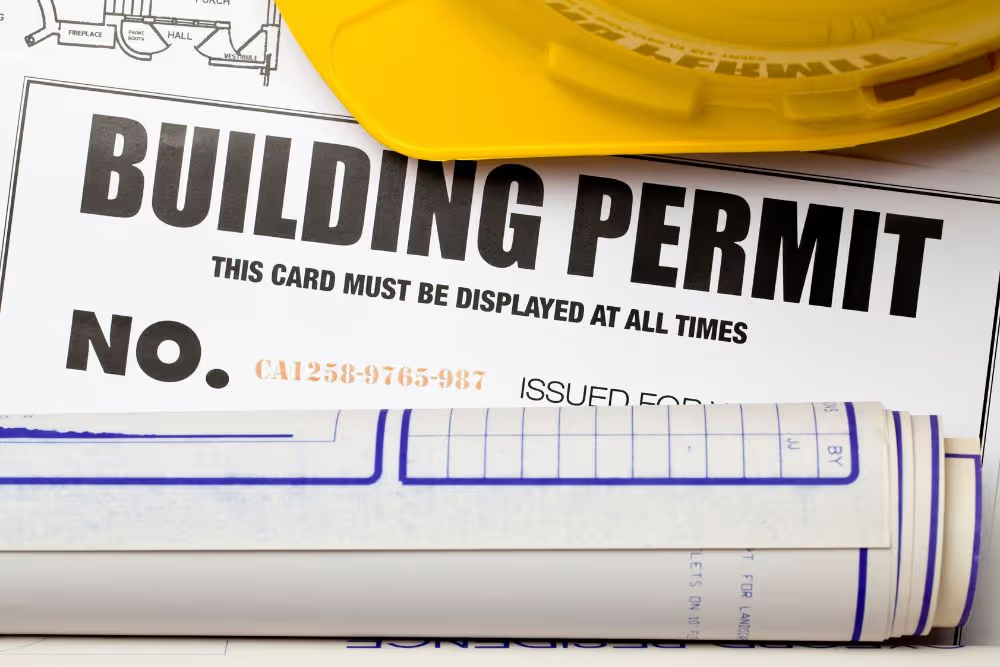
Minor shake repairs below the 10 percent threshold generally do not require a permit in Palm Desert. Any re-roofing project or repair scope that triggers current code compliance requires a permit through the Palm Desert permit portal. The permit process will confirm what materials are approved for the project under current Riverside County and California building code requirements, including fire rating requirements for the roofing material.
All California roofing contractors must hold an active C-39 Roofing Contractor license from the Contractors State License Board. Cedar shake roofing requires experience with wood roofing installation and repair that is not universal among contractors who primarily work in single-ply membranes and foam systems. Verify license status and ask specifically about wood shake experience before committing any contractor to this work.
Truly Tough Roofing Serving Palm Desert and the Coachella Valley
Our roofing division at Truly Tough Roofing handles wood shake roof inspections, shake repairs and replacements, flashing work, underlayment repair, and full re-roofing across Palm Desert, Palm Springs, La Quinta, Rancho Mirage, Indio, and throughout the Coachella Valley. When we inspect a wood shake roof, we give you a straight answer on repair scope, code compliance questions, and whether continued repair makes sense for the specific roof we are looking at. Our roofing work is led by Alber Melara, a Coachella Valley native with over 20 years of hands-on roofing experience. Call us at 760-343-5807 or reach us at Roofing@TrulyTough.com.
Frequently Asked Questions
How much does wood shake roof repair cost in Palm Desert?
Minor repairs including small shake count replacement, individual flashing repair, or penetration resealing run $300 to $1,200. Moderate repairs covering a section of shakes, multiple flashings, or underlayment work in a specific area run $1,200 to $4,000. Major repairs can reach $4,000 to $12,000 or more depending on scope. Full cedar shake replacement on a typical Palm Desert home runs $18,000 to $35,000 and up.
How long does a wood shake roof last in Palm Desert?
In Palm Desert's desert climate, realistically 20 to 25 years with maintenance. Cedar shakes perform best in temperate, moderate climates. Palm Desert's extreme UV, sustained high heat, and low humidity dry and crack cedar faster than in Pacific Northwest or moderate coastal markets. South-facing slopes typically show significant wear several years before north-facing slopes on the same roof. Expecting 30-plus-year performance in Palm Desert conditions without accounting for climate-specific degradation leads to missed replacement windows.
What is the 10 percent repair rule for wood shake roofs in California?
California building code provides that if repairs replace more than 10 percent of a roof's total area within a 12-month period, the entire roof must be brought into compliance with current code. In most Riverside County jurisdictions including Palm Desert, current code does not permit untreated wood shake roofing. This means a repair scope that crosses the 10 percent threshold can trigger a full replacement requirement, changing the project financially from a repair to a re-roof. The contractor you hire should identify and disclose this threshold before beginning any work on a wood shake roof.
Can my cedar shake roof in Palm Desert be repaired or does it need replacement?
It depends on the scope of damage, the age of the underlayment, and the condition of the shakes across the full roof surface. A roof with isolated damage limited to a small percentage of the field, with sound underlayment and shakes otherwise in reasonable condition, can be repaired. A roof with cracking across 20 to 30 percent or more of the surface, aged or failing underlayment, and a history of recurring leaks is telling you it needs replacement. A professional inspection that walks the full roof and documents condition across all slopes is the only way to determine which situation applies to a specific Palm Desert home.
Does my homeowners insurance cover a wood shake roof in Palm Desert?
Coverage depends on your specific insurer and policy. Some California insurers are declining to renew or writing more limited policies for homes with cedar shake roofs, particularly older ones. Others insure wood shake roofs at higher premiums than fire-rated alternatives. Confirming your coverage and premium situation with your insurer before committing to major repairs is worth doing, because the insurance picture is part of the financial case for repair versus replacement on an aging wood shake roof in the desert.
What is the difference between wood shakes and wood shingles?
Wood shakes are thicker, hand-split on one or both faces, and produce a rough, dimensional, textured surface. Wood shingles are machine-cut on both faces, thinner, and produce a smoother, more uniform surface. Both are typically cedar. Shakes are more common on the older Palm Desert homes where wood roofing was specified, because the heavier, more textured appearance was preferred on custom and luxury construction of that era. Both materials are subject to the same California code requirements and the same desert climate stressors.
What replaces a cedar shake roof in Palm Desert that needs full replacement?
Concrete tile is the most common replacement material in Palm Desert: it handles desert UV and heat well, carries a Class A fire rating, lasts 40-plus years, and is widely specified throughout the Coachella Valley. Metal roofing is another option that carries Class A fire ratings and performs well in desert heat. High-quality synthetic shake products that replicate cedar's appearance while carrying Class A fire ratings are a growing option for homeowners who want the wood shake look without the maintenance demands and fire risk of real cedar. Each option has different cost, weight, and HOA approval implications that should be discussed before the replacement decision is finalized.






.svg)
