.svg)


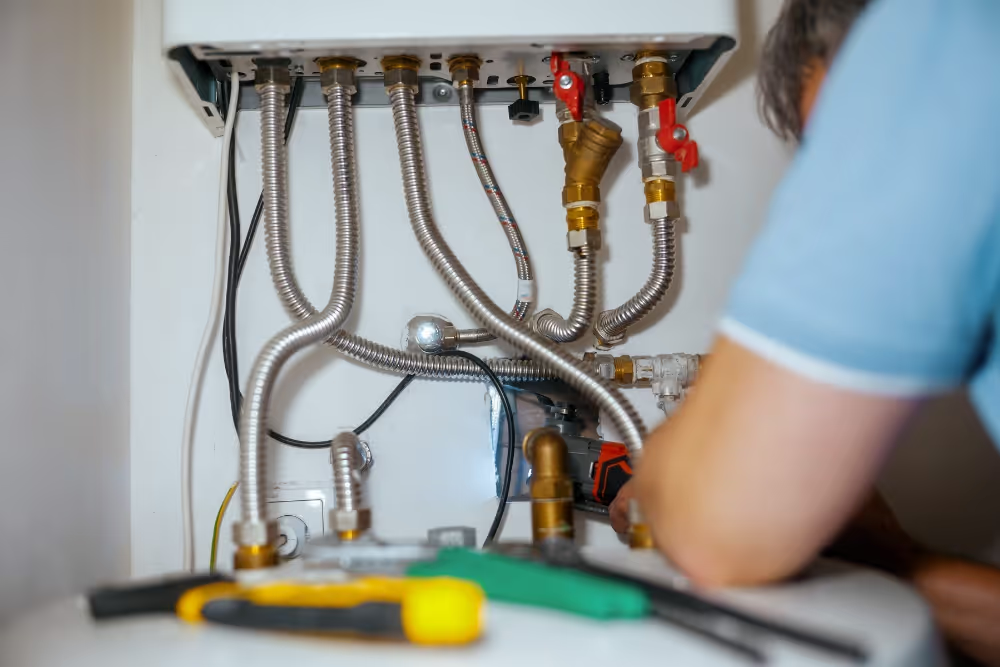
The cost of plumbing services in La Quinta depends on what your home needs, whether it's an inspection, a repair, a replacement, or a new installation like a water heater. Knowing the typical range upfront helps you compare quotes and make a confident decision before hiring.
La Quinta Plumbing Inspection, Repair, Install, and Replace Cost
La Quinta plumbing inspection costs typically run $150 to $400 for a standard home. Repairs range from $200 to $4,000 or more depending on what needs to be done. A service call to clear a drain or fix a leaking fixture sits on the lower end. A slab leak repair, full repipe, or water heater replacement can push well past $1,000 and into the $5,000 to $15,000 range for more complex jobs.
La Quinta has some of the hardest water in the country. Mineral content in the local water supply regularly measures 400 to 500 parts per million of dissolved calcium and magnesium, which is three to four times above what is generally considered hard water. That hits pipe interiors, water heaters, fixtures, and appliances harder and faster than in most California markets. Add in slab foundations throughout the city, soil that contracts in dry desert conditions, and a large share of seasonal homes that sometimes go months without anyone inside to notice a developing problem, and you have a plumbing environment that genuinely requires more attention than most homeowners expect when they move here.
Plumbing Services Cost
Prices vary based on home size, pipe access, system condition, permit requirements, and how complex the job turns out to be. Get a written estimate before any work starts.
Why La Quinta Plumbing Is Different
Hard water is the single biggest driver of plumbing problems in La Quinta. The mineral content here is among the highest in California and it affects everything. Water heaters accumulate sediment faster. Copper pipe interiors develop scale that restricts flow and sets up the conditions for pitting corrosion. Fixtures calcify around the base and at aerators. Dishwashers, ice makers, and tankless water heater heat exchangers all degrade faster than their manufacturers account for in regions with softer water. If you moved to La Quinta from a coastal market, your appliances will not last as long on this water supply without intervention upstream.
Seasonal home ownership is a second factor that makes La Quinta plumbing unique. A large share of homes in gated communities like PGA West, Griffin Ranch, and Andalusia sit empty for four to six months a year. Problems that would be caught in days in a full-time residence go undetected for weeks or months. A slow slab leak saturates the subfloor, a dripping supply line wets a cabinet interior, a failing water heater corrodes at the connection. By the time the owner returns or a property manager does a walkthrough, the secondary damage is often worse than the original plumbing failure.
The soil here contracts during dry stretches and shifts under slab foundations, putting stress on lines that were installed correctly decades ago. That ground movement contributes to slab leaks and joint separations that are more common across the Coachella Valley than in most other California markets.
What a Plumbing Inspection Covers
A proper inspection covers incoming water pressure at multiple points, all visible supply lines and shutoff valves, every fixture for drips or corrosion, drain flow and venting, and the water heater for age and early failure signs. For seasonal or vacation homes we also check that shutoff valves actually work, that the water heater wasn't left running at full temperature while unoccupied, and that there is no evidence of a slow leak that went unnoticed during the off season. If water bills have been higher than expected, we run a pressure test on the supply side to check for hidden loss.
Plumbing Repair vs Replace
The decision comes down to age, pattern, and cost ratio. If a repair costs more than 50% of what a replacement would run and the unit is already most of the way through its service life, replacement is almost always the smarter financial call. Patching a failing system buys time but does not stop the underlying deterioration.
We did a repipe job at a home in Trilogy, La Quinta where the owner had been managing it as a vacation rental. The property manager had called out two separate copper leak repairs in one season, both in the same wing of the house. The pipes were original to a mid-1990s build and had been sitting on La Quinta hard water since day one. The owner authorized a third repair. Six weeks later there was a fourth call. We recommended a repipe at that point and the owner agreed. It was the right call. During the repipe we found two more sections of pipe that were a season away from their own pinhole leaks. The repair path would have cost more and created more rental disruption than the repipe did.
Water Heater Options for La Quinta Homes
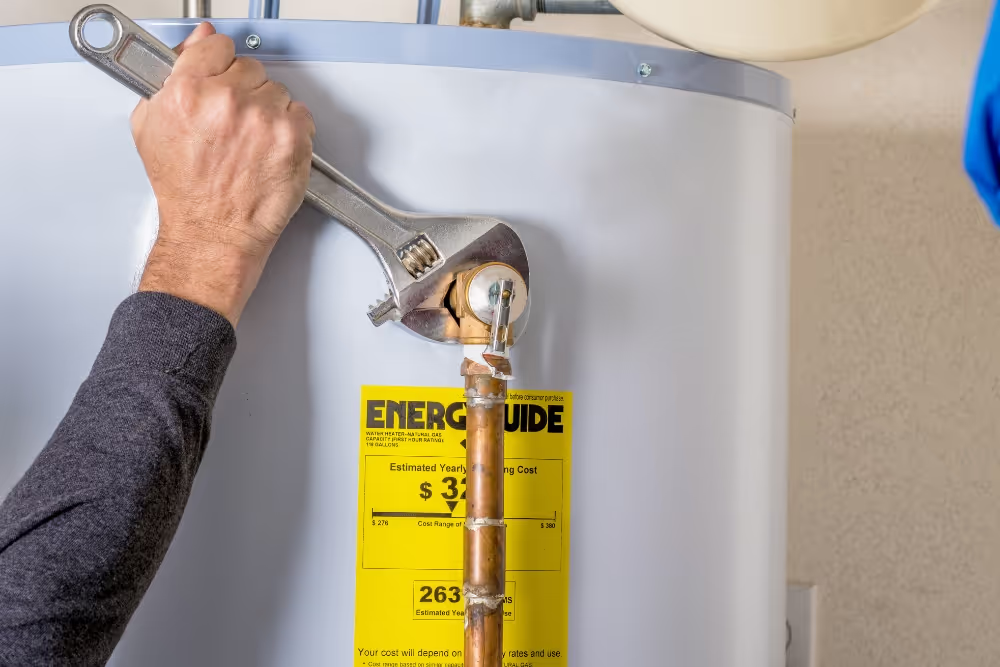
Water heater replacement is one of the most common jobs we handle in La Quinta. Most homes run a 40 or 50-gallon gas tank that realistically lasts 8 to 12 years on La Quinta hard water, often less in homes without a softener upstream. The four main options are tank-style gas, electric, tankless, and hybrid heat pump.
Gas tank water heaters are the most common install across La Quinta. Rheem, Bradford White, and A.O. Smith make solid 50-gallon units that run $1,200 to $2,200 installed with permits. They recover quickly and hold enough volume for most households, including homes with guest casitas or high-turnover vacation rental use.
Electric tank water heaters cost less upfront but carry higher monthly operating costs than gas in most La Quinta homes. They make sense when there is no gas connection or a specific installation location limits gas options.
Tankless water heaters heat on demand with no storage. Navien and Rinnai are the most reliable brands in this market. Installed cost runs $2,500 to $5,500 depending on gas line capacity and whether dedicated electrical circuits need to be added. For La Quinta vacation homes that sit empty for extended stretches, tankless units eliminate standby heat loss entirely. The hard water tradeoff is significant here. Scale builds up in the heat exchanger faster in La Quinta than almost anywhere in California. Annual descaling is not optional. It is the maintenance that keeps the unit working correctly and the warranty valid.
Hybrid heat pump water heaters pull heat from surrounding air to warm the water, making them very efficient in a climate where garages and utility rooms stay warm for most of the year. A.O. Smith and Rheem make proven units at $2,000 to $4,000 installed. California rebate programs have reduced upfront costs for qualifying homeowners and make hybrids worth serious consideration when replacing an aging electric tank.
Pipe Materials, Repipe Options, and Slab Leaks
Most La Quinta homes built before the mid-1990s run copper supply lines. Copper is a solid material but has a well-documented vulnerability in high-mineral water environments. Pitting corrosion develops from the outside of the pipe wall inward, creating pinhole leaks that start small and spread. La Quinta's water chemistry accelerates this process. Once pinholes start appearing in a home that has been on this water for 20 or 30 years, the pattern rarely stops on its own.
When a repipe makes sense, the two main material options are PEX and copper. PEX tubing from Uponor and Viega, connected with SharkBite or crimped fittings, is flexible, scale-resistant, and can be routed through finished walls with less drywall damage than a rigid copper repipe. A whole-home PEX repipe on a typical La Quinta home in the 1,800 to 2,800 square foot range runs $5,000 to $10,000. Larger homes with casitas or complex layouts push costs higher. Type L copper repipe costs more but is preferred by some HOAs across La Quinta's gated communities, so confirm requirements before choosing a material.
Slab Leak Detection and Repair
Detection starts with a pressure test to confirm supply loss, then acoustic listening equipment and thermal imaging to pinpoint the location under the slab before any concrete gets opened. Repair options from there are spot repair through the slab, rerouting the pipe above grade through the walls, or a full repipe. Spot repair is the right call when the leak is truly isolated and the surrounding pipe is in solid condition. Rerouting is better when that section of pipe has a history. A full repipe is the answer when the material has failed systemically throughout the home, which in La Quinta's hard water environment is more common than in most California cities.
Water Softeners and Filtration in La Quinta
Given La Quinta's water chemistry, a whole-house water softener is less of an optional upgrade and more of a basic protection measure for any home that plans to be here long term. Hard water at 400 to 500 ppm shortens water heater life, clogs tankless heat exchangers, deposits scale on fixtures and shower surfaces, restricts flow through refrigerator lines and dishwasher inlets, and leaves white buildup that damages fixtures over time. A salt-based softener from Culligan or Pentair runs $800 to $2,500 installed and pays back across 5 to 10 years through longer appliance life and fewer repair calls. For drinking water, a reverse osmosis system from Aquasana, Pentair, or A.O. Smith under the kitchen sink runs $300 to $900 installed and eliminates the need for bottled water.
Fixture Replacement and Installation Costs
Licensed plumbers in La Quinta charge roughly $75 to $150 per hour for fixture work, with most swaps running one to three hours. Dual-flush and pressure-assist toilets from Kohler, Toto, and American Standard hold up better against mineral staining and use less water per flush, which matters in a desert community with water conservation requirements. A standard toilet replacement runs $350 to $900 installed. Kitchen plumbing covers garbage disposals at $200 to $450 (InSinkErator and Waste King are the most common brands), dishwasher hookups and refrigerator lines at $150 to $350 each, and faucet replacements at $200 to $500.
Sewer Line Repair, Drain Cleaning, and Camera Inspection
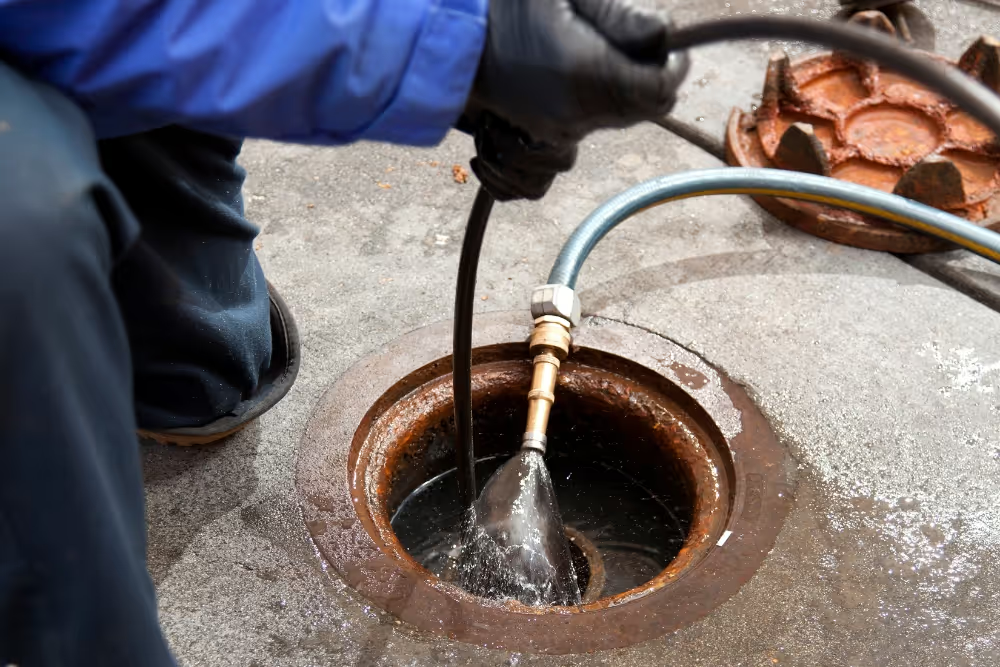
Sewer problems in La Quinta break into two categories: blockage and structural failure. Blockages from grease, wipes, and root intrusion from the mature date palms and landscaping common in La Quinta's gated communities are cleared with hydro jetting or mechanical snaking. Structural failures, including cracked or offset pipe from ground movement or age, require excavation and replacement or trenchless lining depending on the condition of the pipe.
A camera inspection down the main cleanout is the right first step when you have recurring backups, slow drains across multiple fixtures, or gurgling after any water use. Cost is $200 to $500 and identifies the exact problem before committing to a repair approach. Hydro jetting at up to 4,000 psi clears scale and grease more thoroughly than snaking and holds longer before the problem returns. Trenchless CIPP lining works well for lines running under finished hardscape or under pool decks, which are common in La Quinta properties, but a camera inspection always comes first to confirm the pipe can structurally support a liner.
Permits and Licensing for La Quinta Plumbing Work
California requires plumbing contractors to hold a C-36 Plumbing Contractor license issued by the Contractors State License Board. Always verify a contractor's license is active before signing anything. The CSLB lookup is free and takes about 30 seconds.
Unlike Palm Desert and Rancho Mirage which use Riverside County, La Quinta has its own city building department. Water heater replacements, repipes, gas line work, and sewer line repairs all require a permit through the La Quinta Building Division. Permits are submitted through the city's online HUB portal and your contractor should handle the application and required inspections on your behalf. Unpermitted plumbing work creates problems at resale and can void homeowner's insurance coverage on related water damage claims.
If you are adding a dedicated circuit for a tankless water heater or coordinating a heat pump water heater install with your plumbing work, our electrical division can handle that scope alongside the plumbing so both trades move through one permit process.
What to Ask Before Hiring a Plumber in La Quinta
- Is your C-36 license active? Get the license number and verify it on the CSLB website yourself before agreeing to anything.
- Will you pull permits through the City of La Quinta? La Quinta has its own building department separate from Riverside County. Any plumber doing water heater, repipe, or gas work here should know that and be pulling permits accordingly.
- Do you provide a written scope and price before starting? Verbal quotes are worth nothing. Get the full scope and price in writing before work begins.
- Do you warranty your labor? Most reputable plumbers cover labor for at least one year. Ask exactly what the warranty includes and excludes.
- Have you worked on slab foundation homes in the Coachella Valley? Slab leak detection and repair in desert conditions requires specific local experience. Confirm it before hiring.
- Are you experienced with vacation and seasonal home plumbing? Homes that sit empty for months have specific issues including dried P-traps, seized shutoffs, and slow leaks that go undetected. Ask if they have experience servicing rental or seasonal properties.
- Can you provide local references for similar jobs? Ask for references from La Quinta homeowners who had comparable work done, not just general reviews.
Truly Tough Plumbing: Full-Service Plumbing Across the Coachella Valley
Our plumbing division at Truly Tough Plumbing handles residential plumbing work across La Quinta, Palm Desert, Palm Springs, Rancho Mirage, Indio, and throughout the Coachella Valley. We do plumbing inspections, slab leak detection and repair, whole-home repiping in PEX and copper, water heater and tankless water heater installations, water softener and filtration system installation, sewer camera inspections, drain cleaning, fixture replacement, and gas line work. We also work regularly with property managers and vacation rental owners across La Quinta's gated communities.
Call us at 760-343-5732 or reach us at Plumbing@TrulyTough.com.
Frequently Asked Questions
How much does a plumbing inspection cost in La Quinta?
A standard residential inspection runs $150 to $400 depending on home size and whether a sewer camera inspection is included. Seasonal and vacation homes benefit from an annual inspection to catch problems that developed while the property was unoccupied.
What are signs of a slab leak in a La Quinta home?
Warm spots on the floor, unexplained increases in the water bill, the sound of running water with all fixtures off, and stucco or tile cracks are the most common signs. In vacation properties, the first clue is often a water bill spike noticed months after the leak started.
How much does slab leak repair cost in La Quinta?
Detection plus repair typically runs $1,500 to $5,000 or more depending on the leak location, repair method, and whether concrete or finished flooring needs to be cut and restored.
How long do water heaters last in La Quinta?
Tank-style water heaters typically last 8 to 12 years in La Quinta's hard water conditions, often closer to 8 in homes without a water softener upstream. Flushing the tank annually and protecting it with a softener extends service life noticeably.
Should I get a tankless water heater in La Quinta?
Tankless units work well here, especially for vacation homes. You must plan for annual descaling of the heat exchanger. La Quinta's hard water makes that maintenance non-negotiable, not optional.
Does a water heater replacement require a permit in La Quinta?
Yes. Water heater replacements require a permit through the City of La Quinta Building Division, not Riverside County. Your contractor should handle the permit and required inspections, which cover seismic strapping, pressure relief valve piping, and gas or electrical connections.
Is a water softener worth it in La Quinta?
Absolutely. La Quinta has some of the hardest water in California and it shortens the life of every water-using appliance and fixture in the home. A whole-house softener typically pays for itself within 5 years through reduced repair costs and longer appliance life.
What does a full repipe cost in La Quinta?
A whole-home PEX repipe on a typical 1,800 to 2,800 square foot home runs $5,000 to $10,000. Homes with casitas, complex layouts, or copper specifications push costs higher. Make sure any quote includes permits and drywall restoration.
How do I verify a plumbing contractor is licensed in California?
Look up any contractor by name or license number through the California Contractors State License Board website. Plumbing work requires a C-36 classification. Never sign an agreement without a verifiable active license number.








.svg)
