.svg)


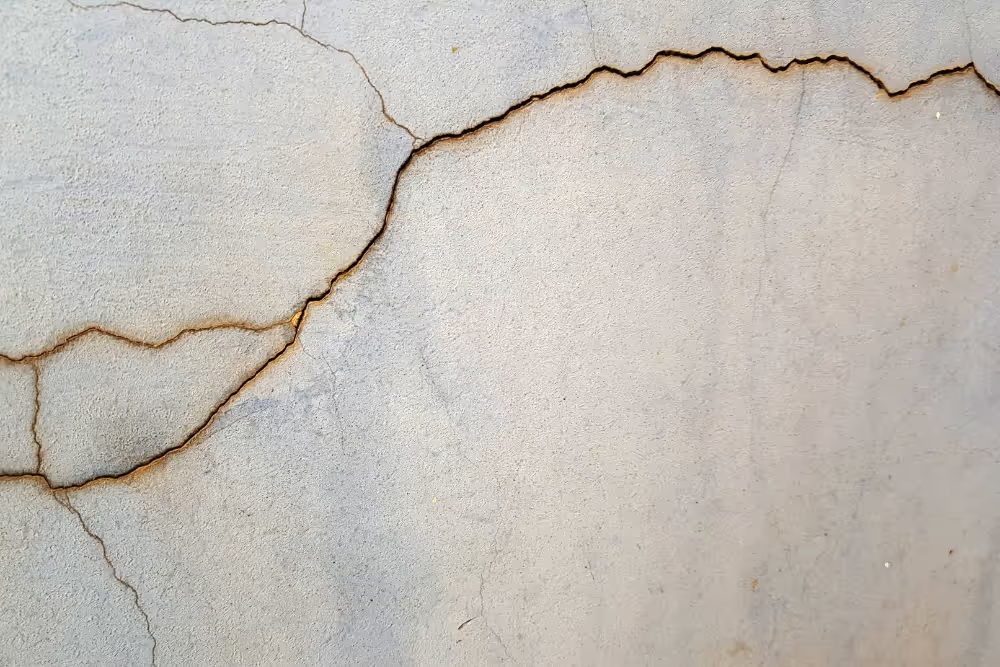
Pool plaster in the desert does not get the same break pools elsewhere do. The UV is relentless, the soil moves, and water chemistry in this area is harder to keep dialed in than most people expect.
Why Pool Plaster Cracks in Palm Springs Faster Than You'd Expect
The desert is genuinely tough on pool plaster. Temperatures out here swing hard, sometimes 40 or more degrees between day and night during spring and fall. That constant expansion and contraction puts stress on the plaster surface. Pair that with intense UV exposure, calcium-heavy water, and sandy desert soil that shifts under the shell, and you have a recipe for cracks that show up well before the 10-year mark most people plan for.
Standard white plaster typically lasts 7 to 12 years under good conditions. In Palm Springs and the surrounding Coachella Valley, homeowners who are not on top of their water chemistry can see problems in 5 to 7 years. The heat accelerates chemical reactions in the water. It also bakes the plaster surface hard between swim seasons, which makes it more brittle over time.
It is not a sign something was done wrong. It is just the reality of running a pool in this climate. What matters is knowing what type of crack you are looking at and what it actually requires to fix it.
The Three Types of Pool Plaster Cracks and What Each One Means
Not all cracks are created equal. Most pool owners panic when they see any crack, but the first thing to figure out is which category it falls into.
In the Coachella Valley, structural movement cracks are more common than in a lot of other markets. The sandy, expansive soil under a lot of these homes shifts with moisture changes. A wet winter followed by a dry spring can move the ground enough to stress the pool shell. If a crack is wider than a credit card edge, or if it runs from one end of the wall to the other, treat it seriously.
One test I always recommend: drain a section of the pool and tap along the plaster with a coin. If you hear a hollow sound, the plaster has delaminated from the gunite shell underneath. That is a bigger problem than a surface crack and usually means it is time to look at replastering rather than patching.
Desert Conditions That Make Pool Plaster Crack Sooner
There are a few things specific to this region that speed up plaster wear. The first is UV. The sun out here is not the same as coastal California. UV breaks down the surface layer of plaster over time and makes it more porous, which means chemicals penetrate deeper and the surface gets rough and chalky faster.
The second is water chemistry. Coachella Valley tap water tends to run hard, meaning high calcium content. That sounds like it would be good for plaster, but calcium that comes out of solution and deposits on the surface creates scaling that damages the finish. On the flip side, if you are adding a lot of chemicals to fight algae or trying to keep a saltwater system balanced, low pH episodes can etch the plaster. Etching is when the water literally dissolves the plaster surface to satisfy its mineral demand.
The third is thermal cycling. Pools that sit unused for weeks at a time in summer without being topped up or circulated get hit hard. The exposed waterline takes repeated heat stress, and that is usually where you see the first visible cracking or calcium buildup.
- Extreme UV exposure dries and degrades the plaster surface over multiple seasons
- Hard water scaling deposits calcium on the finish and traps moisture underneath
- Low pH episodes etch and dissolve plaster, creating a rough, pitted surface
- Sandy desert soil movement puts stress on the pool shell from below
- Large temperature swings between day and night cause repeated expansion and contraction
- Pools left uncirculated for extended periods concentrate chemicals at the waterline
Patch Repair vs. Full Replaster: How to Know Which One You Actually Need
This is the question I get most often when someone calls about plaster cracks. The honest answer is that patching makes sense for isolated, small cracks where the rest of the surface is still in good shape. If you have one or two hairline cracks and the plaster is otherwise smooth and watertight, a patch can buy you another few years.
But patching has a real limitation. The patch material almost never matches the original color perfectly, especially on a pool that has had years of chemical exposure. You end up with visible spots. And if the plaster around the patch is already soft or compromised, the patch edges will start to lift within a season or two.
Full replastering makes more sense when the damage is spread across more than 10% of the surface, when you hear hollow spots during a knock test, when the plaster feels rough like sandpaper across large areas, or when cracks keep coming back in the same locations. In those cases, you are not fixing the plaster, you are delaying the inevitable.
We did a full replaster job at a home in Tahquitz River Estates where the owner had patched the same two wall cracks three separate times over four years. By the time we drained the pool for a proper look, there was delamination behind both patches and a third crack forming between them. One full replaster solved everything in a few days versus three separate patch visits that never actually fixed it.
What a Full Replaster Job Costs in the Coachella Valley
These ranges reflect real-world pricing for the Palm Springs area. A standard 14x28 residential pool falls in the lower end of those ranges. Larger pools, pools with spas attached, or pools that need structural crack repair before replastering will push costs higher. Always get the pool drained and inspected before committing to a price, because what looks like a straightforward replaster sometimes turns into a more involved repair job once the surface is exposed.
Plaster vs. Pebble vs. Quartz: Which Finish Holds Up Best in Palm Springs
Standard white plaster is the cheapest option upfront. It is also the one that requires the most maintenance and the most frequent replacement. In a desert climate, where UV and aggressive water chemistry are both working against it, plaster is going to show its age faster than it would in a milder market.
Pebble finishes are significantly more durable. A properly installed pebble surface can last 20 to 30 years. They are rougher underfoot, but they hold up to the chemical swings and UV exposure this climate throws at them. Pebble finishes also tend to hide minor calcium deposits better than white plaster does.
Quartz aggregate finishes land in the middle. Smoother than pebble, more durable than plain plaster, and they come in a wide range of colors. For homeowners who want a longer-lasting surface without the texture of pebble, quartz is a solid choice.
My honest recommendation for anyone replastering in the Coachella Valley: spend a little more on pebble or quartz. The difference in cost per square foot is not huge, and you will not be doing this again in seven years. White plaster makes sense when budget is tight, but you go in knowing the timeline is shorter.
What the Replaster Process Looks Like Start to Finish
Preparation and plastering itself takes 3 to 4 days in most cases. The rest of the timeline is startup and curing. Rushing the startup process is one of the most common reasons new plaster fails early. Proper brushing and chemical balance in the first two weeks matters a lot.
How to Make Your Pool Plaster Last Longer in the Desert
Water chemistry is the biggest lever you have. Keep your pH between 7.4 and 7.6. Keep calcium hardness in the 200 to 400 ppm range. If your calcium is too low, the water pulls it out of the plaster. If it is too high, it deposits on the surface and causes scaling. In this area, high calcium is the more common problem because of the mineral content in the water supply.
Do not let the pool sit without circulation for extended periods, especially in summer. Stagnant water in extreme heat concentrates chemicals fast. That is how you get localized etching at the waterline or dark staining on the floor.
Have someone look at the plaster surface every year or two. A tap test with a coin across the floor and walls takes ten minutes. If you catch hollow spots early, you can address delamination in a targeted way before it spreads. Once delamination covers a wide area, you are looking at a full replaster whether you planned for it or not.
- Test and adjust water chemistry at least once a week during swim season
- Keep calcium hardness between 200 and 400 ppm to prevent both scaling and etching
- Run the pump daily so water does not stagnate and concentrate chemicals
- Brush the walls and floor regularly to prevent algae and calcium from bonding to the surface
- Inspect the plaster annually with a drain-down and coin tap test every 2 to 3 years
- Address minor cracks promptly before water intrusion causes larger delamination
Talk to Our Pool Team About Plaster Repair or Replastering
If your pool has cracks you are not sure about, the first step is a drain-down inspection to see what you are actually dealing with. Surface cracks look different once the water is out and you can tap around for hollow spots. That inspection tells you whether a patch is realistic or whether a full replaster is the smarter call.
Our pool team at Truly Tough Pools handles replastering, resurfacing, and crack repair across Palm Springs, Palm Desert, La Quinta, Indio, and the rest of the valley. We can walk you through finish options and give you a realistic picture of what your pool needs and what it will cost. Call us at 760-343-5781 or reach us at Pools@TrulyTough.com.
Frequently Asked Questions
Why does pool plaster crack in Palm Springs so much faster than other places?
The combination of intense UV exposure, hard water, large daily temperature swings, and shifting sandy soil puts more stress on plaster than most other climates. Pools here can show cracking in 5 to 7 years versus the 10-plus years you might see elsewhere.
How do I know if my pool plaster cracks are cosmetic or structural?
Cosmetic cracks are hairline-width and do not widen over time. Structural cracks are wider, run in long lines across walls or the floor, and may be accompanied by a hollow sound when you tap nearby with a coin. When in doubt, have a professional drain and inspect the pool.
Can pool plaster cracks cause a leak?
Open cracks that penetrate through the plaster to the gunite shell can allow water to seep in, which can leach calcium from the shell and lead to larger structural problems. Any crack that stays open after the pool is filled should be addressed.
Is it worth patching pool plaster cracks or should I just replaster?
Patching makes sense for one or two isolated cracks on plaster that is otherwise in good shape. If the plaster is older than 8 years, cracks are appearing in multiple spots, or the surface is rough and hollow-sounding in places, a full replaster is usually the better investment.
How long does pool replastering take in Palm Springs?
The drain, prep, and plaster application takes 3 to 4 days. Filling and startup chemistry bring the total to about 2 weeks before the pool is comfortable to swim in. The plaster continues curing for about 30 days after that.
What pool finish lasts the longest in a desert climate?
Pebble aggregate finishes are the most durable option for the Coachella Valley, often lasting 20 to 30 years with proper water chemistry maintenance. Quartz finishes are a good middle option. Standard white plaster is the shortest-lived finish in a desert environment.
How much does it cost to replaster a pool in Palm Springs?
Standard white plaster runs roughly $4 to $8 per square foot. Pebble and quartz aggregate finishes run $5 to $10 or more per square foot. A typical residential pool totals between $3,000 and $12,000 depending on size, finish choice, and whether structural repairs are needed first.
What water chemistry issues cause pool plaster to crack or deteriorate?
Low pH causes the water to etch and dissolve plaster. Low calcium hardness pulls calcium out of the plaster. High calcium causes scaling that traps moisture and damages the surface from underneath. Keeping all three balanced is the most important thing you can do to extend plaster life.







.svg)
