.svg)


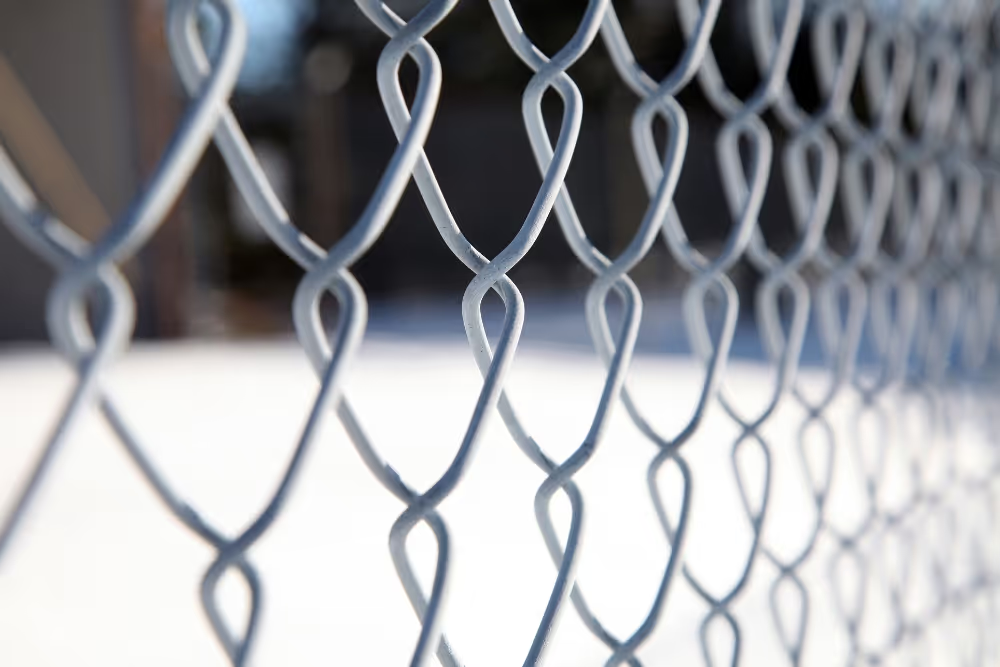
Chain link is one of the most practical fencing choices for residential properties in Palm Springs, and a lot of homeowners get more out of it than they expect once they understand what it can actually do.
What a Residential Chain Link Fence Costs in Palm Springs
For most residential properties in Palm Springs, a professionally installed chain link fence runs between $15 and $40 per linear foot depending on height, gauge, and coating. A standard 4-foot galvanized fence around a typical backyard of 150 linear feet comes in around $1,500 to $3,000 installed. Step up to a 6-foot black vinyl-coated fence with a walk gate and you are looking at $3,000 to $5,000 or more depending on site conditions.
Height is the biggest cost driver. A 4-foot fence runs noticeably less than a 6-foot fence because the posts are shorter, the fabric costs less, and the installation is faster. Going from galvanized to black vinyl-coated adds roughly 20 to 40 percent to the material cost, but it also changes the look dramatically. On most desert properties, black chain link reads as cleaner and more intentional than the standard silver galvanized finish.
Gates are where costs add up faster than people expect. A standard residential swing gate runs $150 to $450 installed. A double drive gate wide enough for a vehicle adds $400 to $900. If you want an automated sliding gate, plan on $800 to $2,000 or more depending on the motor system. Most residential projects include at least one walk gate and should budget for it from the start.
Cost at a Glance
Prices reflect Coachella Valley labor and material rates as of 2025. Final cost is affected by fence height, gauge selection, number of gates, terrain, soil conditions, and whether old fencing needs to be removed before the new installation begins.
Why Chain Link Works Well in the Palm Springs Desert Climate
The desert is genuinely tough on fencing materials. Wood warps, cracks, and grays out fast under constant UV exposure and dry heat. Vinyl can hold up reasonably well but can become brittle over years of direct sun. Chain link, especially galvanized or vinyl-coated steel, handles the Coachella Valley climate better than most people give it credit for.
Galvanized steel chain link has a typical lifespan of 20 to 30 years with essentially no maintenance required beyond occasional inspection. There is no painting, no sealing, no treating. In a climate where outdoor maintenance is already competing with summer heat that makes working outside miserable, a fence that asks nothing of you for three decades has real appeal.
Wind is a bigger factor here than most homeowners consider. Palm Springs and the surrounding valley see regular wind events, particularly through the San Gorgonio Pass corridor. Chain link is actually one of the better fence materials for high-wind areas because it lets air pass through rather than creating a solid surface for wind to push against. Solid privacy fences in high-wind zones need significantly heavier posts and deeper footings to handle the load. Chain link, by design, does not have that problem.
The other advantage specific to desert properties is visibility. A lot of Palm Springs homes have mountain views, clean sightlines to outdoor entertaining areas, or pool landscaping that the owner wants to see from inside the house. Chain link lets you define a boundary and contain pets or kids without blocking what you are looking at.
Galvanized vs. Vinyl-Coated: Which Is Right for Your Palm Springs Home
Standard galvanized chain link is the silver-toned finish most people picture. It is the most affordable option, corrosion-resistant, and genuinely durable. For side yards, utility areas, back property lines, or anywhere the fence is functional rather than decorative, galvanized is a solid choice that holds up for decades.
Vinyl-coated chain link, most commonly in black or dark green, is a different visual entirely. The black version in particular photographs well, looks intentional against desert landscaping, and reads more upscale on properties where the fence is visible from the street or from the pool area. It costs more upfront but adds a layer of polymer protection over the galvanized core, which extends the fence's lifespan further in extreme-UV environments like Palm Springs.
The coating does add considerations. If the vinyl coating gets scratched or nicked, the steel underneath can rust at that point over time. Galvanized without a coating actually weathers more uniformly. For most residential applications in this area, black vinyl-coated is worth the premium on any fence that faces the street or pool deck. For back corners and utility zones, galvanized is the practical call.
HOA Rules and Permits for Chain Link Fencing in Palm Springs
This is the part that trips people up most often. Palm Springs has a mix of HOA-governed communities and non-HOA properties, and the rules are very different depending on which you are in.
In HOA communities, chain link is frequently restricted or outright prohibited on front yard and street-facing sections. Many associations require wood, vinyl, wrought iron, or aluminum for any fence visible from the street, and chain link may only be permitted in rear or side yard positions not visible from community common areas. Some communities that allow chain link require the black vinyl-coated finish specifically. The HOA documents are the controlling authority here, not the city. Always pull your CC&Rs and submit an architectural review application before any materials are ordered.
For non-HOA properties in Palm Springs, a permit is typically required for fences over a certain height. Front yard fences are commonly limited to 3 to 4 feet under local zoning, while rear and side yard fences can go to 6 feet in most residential zones. Your contractor should pull the permit and schedule the inspection. Installing without a permit is a problem when you sell.
We did a chain link project for a homeowner in Sunrise Park a while back. The property was not HOA-governed but the owner had assumed a 6-foot fence was fine anywhere on the lot. The front section had to be dropped to 4 feet per zoning, which changed the gate design. Getting that information before materials are on site saves a real headache.
Also always call 811 before any post setting begins. Underground utilities in Palm Springs can run in surprising locations, and hitting a water or gas line is expensive and dangerous. In California this is legally required before any digging.
Adding Privacy to a Chain Link Fence in the Desert
Chain link on its own is not a privacy fence. But it can become one, within limits, with some additions that work better than others in the desert environment.
Privacy slats are the most common upgrade. Vinyl slats are woven vertically through the chain link fabric and typically block 75 to 85 percent of visibility depending on how tightly they are installed. Cost runs about $3 to $10 per linear foot on top of the base fence price. They come in various colors, and in desert settings earth tones, black, and brown tend to look most natural against stucco and gravel landscaping.
Privacy windscreen fabric is another option, essentially a mesh cover that clips or ties to the exterior of the fence. It is less expensive than slats and easier to replace, but it degrades faster in direct UV exposure. In Palm Springs, windscreen fabric on a south or west-facing fence will usually need replacement in two to four years. Not ideal for a permanent installation.
For homeowners who want more privacy than slats provide but want the longevity of chain link for the structure, a chain link frame with wood or composite infill panels in certain sections is sometimes the right call. You get the post and rail durability of galvanized steel with a solid panel where privacy actually matters, like the section facing a neighbor's yard or a street.
- Vinyl privacy slats are the most durable privacy upgrade, lasting 10 or more years
- Windscreen fabric is affordable but degrades faster under intense desert UV
- Slat color matters in desert landscaping, earth tones and black tend to look most natural
- Slats increase wind load on the fence so post gauge and depth may need to go up
- HOA approval is required for slats or screens in governed communities before installation
What the Installation Process Looks Like
Most residential chain link projects in Palm Springs complete in one to three days depending on linear footage and number of gates. Desert caliche and rocky soil can add time to post setting. Your contractor should flag any site conditions that might affect the timeline before work starts.
Chain Link for Pool Enclosures in Palm Springs
California has specific code requirements for pool barrier fencing and chain link is one of the permitted materials. The fence must be at least 60 inches tall on the outside, with no more than 2 inches of clearance between the bottom of the fence and the ground. Horizontal rails must not be on the pool side of the fence, since they create a climbable surface. And mesh openings cannot exceed 1.75 inches, which means standard 2-inch chain link fabric does not meet code for a pool enclosure.
Mini-mesh chain link with a 1-inch or 1.5-inch diamond opening is the compliant choice for pool barriers. It costs more than standard mesh but it qualifies under the California Building Code, which means the permit gets approved without issue. Gates in a pool enclosure must be self-closing and self-latching, with the latch on the pool side and high enough that a child cannot reach it.
If you are retrofitting an existing pool that does not have a code-compliant barrier, this is not something to defer. Pool barrier requirements exist because child drowning in residential pools is a real and preventable risk. A properly installed chain link pool enclosure with compliant mesh and hardware covers the code requirement and holds up in the desert climate for decades.
Our fencing team handles pool enclosure compliance regularly. We know the California code requirements and pull the permit so the installation is inspected and documented. Reach us at 760-343-5785 or at Fencing@TrulyTough.com for a free estimate.
Frequently Asked Questions
How much does a residential chain link fence cost in Palm Springs?
Most residential installations run $15 to $40 per linear foot depending on height and coating. A typical backyard of 150 linear feet with a standard galvanized fence and one gate comes in around $1,500 to $3,500 installed. Black vinyl-coated and taller fences with multiple gates push the total higher.
Do I need a permit to install a chain link fence in Palm Springs?
Yes, in most cases. The City of Palm Springs requires permits for fences above certain heights, and front yard height limits differ from rear and side yard limits. A licensed contractor will pull the permit and coordinate the inspection before the job is signed off.
Will my HOA allow a chain link fence?
It depends entirely on your community's CC&Rs. Many HOA communities in Palm Springs restrict or prohibit chain link on street-facing sections. Some allow it only in rear or side yards not visible from the street, and some require the black vinyl-coated finish specifically. Always check with your HOA and get written approval before ordering materials.
What gauge chain link should I use for a residential fence in Palm Springs?
For standard residential use, 11 or 11.5 gauge is the typical recommendation. For areas with pets, heavier use, or pool enclosures, a 9 gauge provides more strength and rigidity. Lower gauge numbers mean thicker, stronger wire.
How long does a chain link fence last in the desert?
Galvanized chain link typically lasts 20 to 30 years in the desert climate with minimal maintenance. Vinyl-coated chain link can last even longer because the polymer coating adds UV and corrosion protection on top of the galvanized core. Both significantly outlast wood fencing in the Coachella Valley.
Can I add privacy slats to a chain link fence after it is installed?
Yes, vinyl slats can be woven through existing chain link fabric after installation. If you are in an HOA community, get approval before adding slats since they change the appearance of the fence. Slats also add wind load to the structure, so very tall fences in exposed locations may need heavier posts to handle the added resistance.
Does chain link meet California pool barrier requirements?
Standard 2-inch mesh chain link does not meet pool barrier code because the mesh opening is too large. Mini-mesh with 1-inch or 1.5-inch openings, combined with a fence height of at least 60 inches and self-closing, self-latching gates, does comply with the California Building Code pool enclosure requirements.
How long does chain link fence installation take in Palm Springs?
Most residential projects complete in one to three days. Post setting happens first, followed by a 24 to 48 hour concrete cure period, then fabric installation and gates. Rocky caliche soil can slow the post setting phase, and projects with multiple gates take longer than straightforward perimeter runs.






.svg)
