.svg)


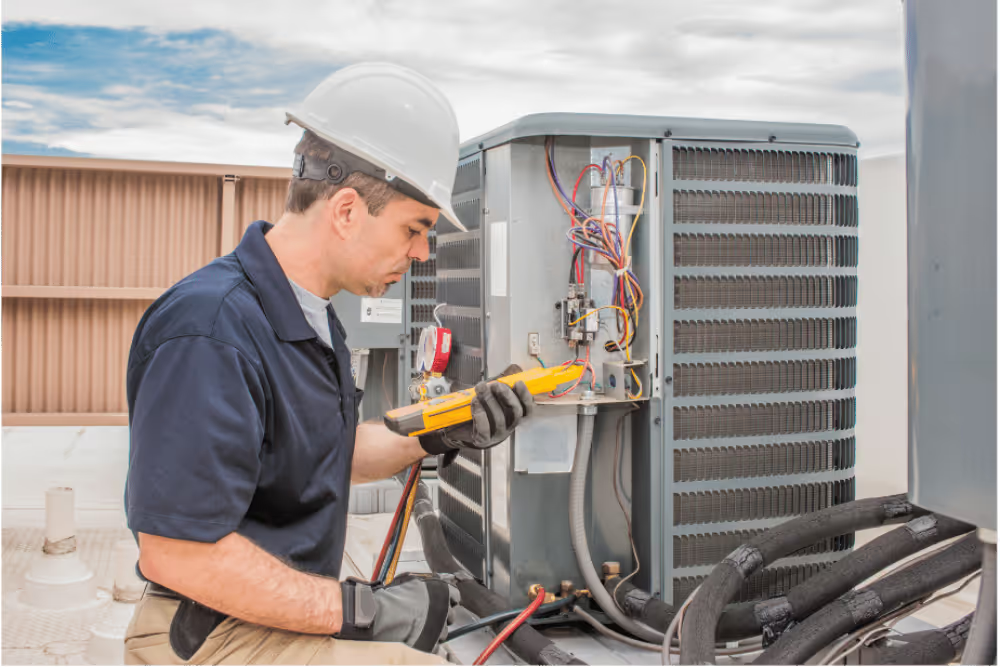
Spring is the one window you have to get ahead of the summer before every HVAC technician in the valley is booked solid and you are waiting three days for a service call in 110-degree heat.
Why a Pre-Summer HVAC Inspection in Palm Desert Actually Matters
A pre-summer HVAC inspection in Palm Desert typically runs $75 to $200 for a standard tune-up visit, with most homeowners landing around $120 to $150. That covers a full system check, coil cleaning, electrical component testing, refrigerant level verification, and a condensate drain flush. If repairs are needed, those are quoted separately. Finding a failing capacitor in April during a scheduled inspection costs $100 to $250 to replace. Finding it in July when the unit locks out on a Saturday afternoon costs that plus an emergency service premium and however long your family is without cooling.
The Coachella Valley pushes AC systems harder than almost any other residential market in the country. Palm Desert regularly sees six or more consecutive months where the system is running every day, often in ambient outdoor temperatures that approach or exceed the upper operating limits the equipment was designed for. Systems that would last fifteen years in a moderate climate get pushed to failure in ten or eleven years here. Annual pre-season maintenance is not optional in this climate. It is the difference between a system that makes it through summer and one that does not.
The ideal window for scheduling is late February through April. Once May arrives and temperatures start climbing consistently into the 90s, HVAC companies across the valley are booked out and response times stretch. Get on the schedule before the rush.
Cost and What You Are Actually Paying For
These ranges reflect 2025 pricing for the Coachella Valley. Emergency and after-hours service calls in summer typically add $75 to $150 on top of standard rates. Annual service agreements that cover both a spring cooling inspection and a fall heating inspection generally run $150 to $300 per year and include priority scheduling.
What a Thorough Pre-Summer HVAC Inspection Covers in Palm Desert
A thorough inspection takes one to two hours for a standard single-system home. Homes with multiple zones, two units, or older equipment that requires more time to access and clean will run longer. The report should document what was checked, what was found, and what was done during the visit.
Desert-Specific Problems the Inspection Should Target in Palm Desert
Sand and fine particulate from desert windstorms are a bigger threat to HVAC equipment here than in most markets. The condenser coils on outdoor units are essentially air filters for the refrigerant cycle, and when they get packed with desert dust and sand, the system has to work progressively harder to transfer heat. I have pulled condenser coils out of units in this area that look like they were coated in concrete. Standard inspection protocol in a humid market is not enough here. Coil cleaning needs to be thorough and should use appropriate coil cleaner, not just a rinse.
Attic ductwork is another area that deserves close attention in Palm Desert specifically. Most homes in this area have ductwork running through unconditioned attic space, and attic temperatures in summer can regularly hit 150 degrees or above. Duct insulation degrades under that kind of sustained heat exposure, and the connections at takeoffs and flex duct runs can loosen over time from repeated thermal expansion and contraction. A pre-summer inspection should include at least a visual check of accessible ductwork and airflow testing to catch leaks before they cost you all summer long.
If significant duct issues are found, duct sealing or replacement in an attic is not a summer project. It needs to happen in spring when attic access is still manageable. Our HVAC team handles ductwork alongside system tune-ups so everything can be addressed in one visit.
Electrical components also degrade faster in desert heat than in cooler climates. Capacitors, contactors, and wiring insulation all have shorter service lives when exposed to extreme heat cycling year after year. A technician who knows this market will test components against spec rather than just doing a visual inspection. Marginal capacitors that look fine but test weak should be replaced proactively, not left in until they fail mid-July.
We did a tune-up at a home in Ironwood Country Club last March that came up with two weak capacitors, a partially blocked condensate drain, and condenser coils that had not been chemically cleaned in at least two seasons. None of it was catastrophic on its own, but any one of those things left unaddressed would have been a breakdown waiting to happen in July.
Signs Your Palm Desert AC System Needs More Than a Tune-Up
A pre-summer inspection is maintenance. But sometimes the inspection reveals that the system is past the point where maintenance is the right answer. Knowing which situation you are in before July is important.
If the unit is over twelve to fifteen years old and has had multiple major repairs in the last few seasons, the economics of another repair start to look different. A compressor replacement on an older system can run $1,200 to $2,500 or more, and you are putting that money into a system that may need the same thing again in two years. A new system with a SEER2-rated efficiency runs more efficiently, costs less to operate, and typically comes with a ten-year parts warranty.
The pre-summer window is also the right time to evaluate a new system if replacement is on the table. You are not making that decision under duress in 115-degree heat. You can get multiple quotes, choose the right equipment size and efficiency tier for your home, and schedule the installation before demand peaks. Our HVAC team does system evaluations alongside tune-up visits so you have a clear picture of what the unit has left before you commit to another season with it. Reach us at 760-343-5728 or at HVAC@TrulyTough.com to get on the spring schedule.
- System is 12 or more years old and has had two or more major repairs recently
- Utility bills have climbed significantly without a change in usage habits
- The system runs constantly but never gets the house to set temperature on hot days
- Refrigerant has been recharged twice in recent years, indicating an ongoing leak
- Compressor is making grinding or clanking sounds at startup or shutdown
- Multiple rooms are significantly warmer than others despite the system running
Frequently Asked Questions
When should I schedule a pre-summer HVAC inspection in Palm Desert?
Late February through April is the ideal window. Once May arrives and temperatures start climbing into the 90s consistently, HVAC companies across the Coachella Valley are booked out and wait times stretch. Scheduling early gives you access to the best appointment slots and time to address any repairs before the heat hits.
How much does an HVAC tune-up cost in Palm Desert?
A standard pre-summer tune-up runs $75 to $200 in the Palm Desert area, with most visits landing around $120 to $150. That covers the inspection, coil cleaning, electrical testing, refrigerant verification, and condensate drain flush. Repairs found during the inspection are quoted separately.
What is included in a pre-summer HVAC inspection?
A thorough inspection covers condenser and evaporator coil cleaning, refrigerant level verification, capacitor and electrical component testing, condensate drain flushing, airflow measurement, thermostat calibration, and blower motor assessment. The technician should provide a written summary of what was found and what was done.
How often do Palm Desert AC systems need to be serviced?
At minimum, once per year before the cooling season. Because Coachella Valley homes run their AC systems for six or more consecutive months under high-ambient conditions, many HVAC professionals recommend twice-yearly service: once in spring before cooling season and once in fall before the system transitions to heating.
Why do AC systems fail more often in the Coachella Valley than in other markets?
Desert heat, sand infiltration into condenser coils, extreme attic temperatures degrading ductwork and electrical components, and the sheer number of operating hours per year all accelerate wear. A system that would last fifteen years in a moderate climate may reach the end of its useful life in ten to twelve years in Palm Desert.
Can a pre-summer inspection reveal if my AC system needs to be replaced?
Yes, and that is one of the most valuable outcomes of the visit. A technician who honestly evaluates component wear, efficiency, and repair history can tell you whether the system has another good season left or whether you are looking at a high-risk summer with a unit that is near the end. Knowing that in April gives you time to plan and replace on your schedule rather than in an emergency.
Should I do anything to prepare my home before the HVAC technician arrives?
Clear access to the indoor air handler and make sure the area around the outdoor condenser unit is free of debris, plants, and anything blocking airflow. If you know of specific problems like rooms that were not cooling well last summer or unusual sounds the unit was making, write those down so you can share them at the start of the visit.
Does regular HVAC maintenance extend the life of my system?
Yes, meaningfully. Regular maintenance reduces the likelihood of breakdown by keeping components clean and catching electrical issues before they cascade into compressor damage. It also keeps the system running at designed efficiency, which reduces the operating hours per degree of cooling and cuts wear over the life of the unit. Most manufacturers also require documented annual maintenance to keep the warranty valid.










.svg)
