.svg)



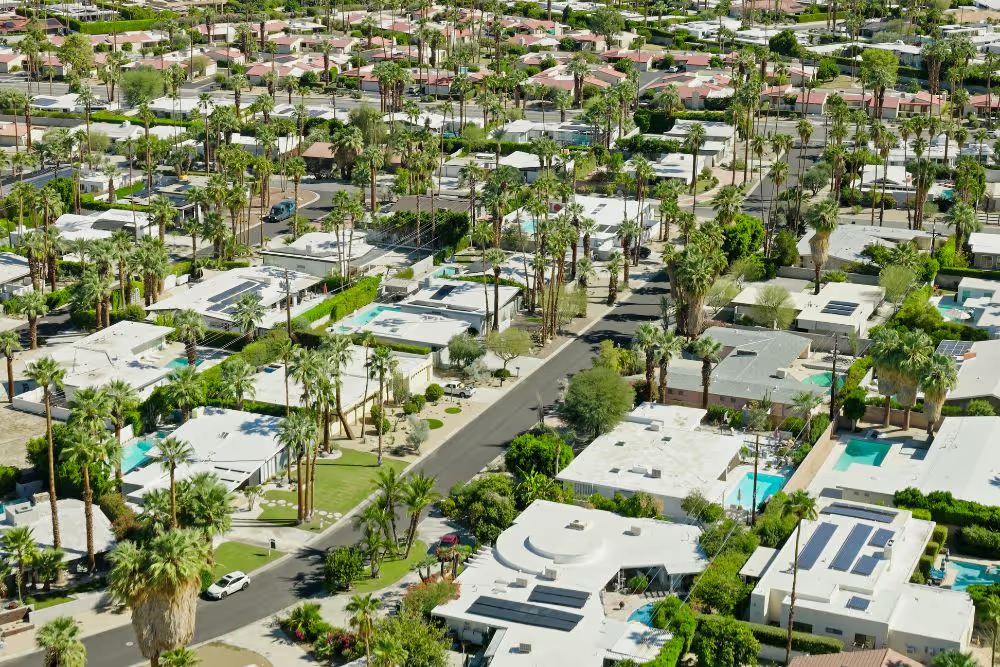
Foam roof inspection and repair in Palm Springs is one of the most common roofing services in the valley. Spray polyurethane foam has been the dominant flat roof system on Palm Springs homes since the 1980s, and the vast majority of those roofs are still in service.
Foam Roof Inspection and Repair in Palm Springs
Foam roof repair in Palm Springs runs $300 to $1,500 for minor work: sealing cracks in the coating, patching a soft spot, fixing a failed penetration seal, or addressing a small area of exposed foam. Moderate repairs covering multiple problem areas or a section of coating that has deteriorated past the repair-only threshold run $1,500 to $5,000. Major repairs involving significant foam damage, drainage issues, or extensive recoating alongside structural repairs can reach $5,000 to $15,000 or more. Recoating, which is the most common foam roof service in Palm Springs, typically runs $3 to $7 per square foot for a full application.
Foam roof inspection in Palm Springs is something every homeowner with an SPF roof should be doing every three to five years at minimum, and annually on roofs that are older, have known problem areas, or have had HVAC or solar work performed on the roof surface. The inspection cost is minimal relative to what it costs to repair damage that was allowed to develop undetected for multiple seasons. The coating is the only thing standing between the foam substrate and the desert sun. When it starts to fail, it fails quietly, and the foam underneath is already absorbing UV damage before any leak appears inside.
We inspected a foam roof last year in Deepwell, Palm Springs for a homeowner who had not had the roof looked at in about seven years. The coating had oxidized significantly on the south-facing slope, and there were two sections where the foam had been exposed long enough to develop significant UV degradation. Both areas needed foam removed down to sound material and rebuilt before a new coating could go down. A five-year inspection cycle would have caught the coating wear before the foam was affected, and the repair would have been a recoat rather than a rebuild.
How a Foam Roof Works and Why Maintenance Matters
A spray polyurethane foam roof is a two-component system. The foam itself, the spray polyurethane foam (SPF) layer, is the insulating and structural waterproofing substrate. It is closed-cell, seamless, and extremely effective at waterproofing as long as it is protected. The protective coating on top of the foam, typically an elastomeric acrylic or silicone coating, is the UV shield. It is the coating that takes the direct hit from desert sun every day.
The foam itself can last indefinitely under the right conditions. It does not degrade from heat, moisture, or thermal cycling the way other roofing materials do. What it cannot tolerate is direct UV exposure. Unprotected foam begins to oxidize under desert sun within weeks. Over months, UV-exposed foam becomes brittle, discolored, and structurally compromised. The coating's entire job is to prevent that from happening.
This is why the maintenance model for foam roofing is fundamentally different from other roof types. You are not waiting for the roof to fail and then replacing it. You are watching the coating, having the roof inspected every three to five years, and recoating before the coating loses its protective function. A roof maintained on that schedule has no practical end of life. The foam stays sound, the coating is periodically refreshed, and the roof performs indefinitely.
What a Foam Roof Inspection Checks in Palm Springs
A proper foam roof inspection covers the entire surface systematically, with extra attention to the areas where failure concentrates. The goal is to identify coating wear and foam damage while both are still in repairable condition, before they become more expensive problems.
Foam Roof Recoating in Palm Springs
Recoating is not the same as repair. It is the planned maintenance event that keeps a foam roof in service indefinitely. Understanding the difference between recoating and repair, and when each is appropriate, is the most important thing to know about managing a foam roof in Palm Springs.
A recoat is the application of fresh elastomeric coating over an existing foam roof that is structurally sound but whose coating has aged to the point where its UV protective function is diminishing. The process involves thorough cleaning of the entire surface, repair of any cracks or localized damage found during that cleaning, priming if required by the new coating product, and then application of fresh elastomeric coating across the full surface. The result is a roof with a renewed protective layer and a fresh maintenance clock.
In Palm Springs, the intensity of UV exposure means coating inspection should be happening every three to five years, with recoating performed when the inspection shows the coating is showing wear. Do not wait until the coating has failed completely and exposed foam is visible in multiple locations before scheduling a recoat. By that point, the job has grown from a straightforward recoat into a recoat plus foam repair, which costs more and takes longer. The right time to recoat is when the coating is tired but the foam beneath is still fully protected.
Cost of Foam Roof Inspection, Repair, and Recoating in Palm Springs
Recoating a foam roof costs roughly 25 to 30 percent of the cost of a full new foam installation on the same roof. That ratio is what makes the maintenance model financially compelling: three or four recoat cycles over the life of the foam substrate costs significantly less than replacing the entire roofing system, while keeping performance intact across the full period. Always request a written scope that specifies coating type, dry mil thickness, number of coats, and what prep and repair work is included before comparing quotes.
Common Foam Roof Problems in Palm Springs
- UV coating degradation. The most common issue on Palm Springs foam roofs. The elastomeric coating oxidizes under sustained desert UV, progressing from chalking to surface crazing to cracking and eventual exposure of the foam below. On south and west-facing roof sections that receive the most direct sun, this process can be meaningfully faster than on shaded or north-facing sections. This is why zone-by-zone inspection matters: the same roof can have very different coating conditions across different exposures.
- Exposed foam from foot traffic damage. HVAC service technicians are the most common cause of localized foam damage on Palm Springs residential roofs. Tools dropped, equipment dragged, and incautious foot placement around rooftop units all create coating breaches that expose the foam to UV. A foam roof inspection after any HVAC service call is a worthwhile step, particularly if the roof has not been assessed recently. When HVAC service is planned on a foam roof, flagging the inspection as part of the service coordination reduces the chance of undetected damage.
- Ponding water at low spots and blocked drains. Desert rain events, though infrequent, can drop significant water quickly. If a drain or scupper is blocked by accumulated dust, granules, or debris, that water ponds against the foam surface. Most foam roofs tolerate ponding water better than other flat roof materials, but standing water left for extended periods can work into any coating breach and reach the foam. Keeping drains clear is the simplest maintenance action a Palm Springs foam roof owner can take between professional inspections.
- Soft spots from trapped moisture. Once water has penetrated the coating and entered the foam system, it can become trapped in pockets within the cellular foam structure. These areas feel soft or spongy underfoot. Left in place, wet foam continues to deteriorate and the moisture can eventually reach the roof deck. Any soft spot discovered during inspection is a repair item, not something to monitor over another season.
- Parapet and transition failures. The foam-to-parapet wall joint and any location where the roof surface changes angle or material is subject to greater thermal movement than the field surface. Over years of desert thermal cycling, these transitions develop hairline separations that grow into gaps water can enter. Parapet wall base inspections are part of every proper foam roof assessment.
- Failed penetration seals around aging HVAC equipment. Rooftop HVAC equipment is replaced and upgraded periodically. When a unit is swapped, the surrounding foam and flashing detail must be properly re-integrated with the new equipment base. Penetration seals that were installed with earlier equipment and have not been updated during equipment changes are a common leak source on mid-century Palm Springs homes where the original foam has outlasted multiple generations of HVAC equipment.
Repair vs Replacement for Palm Springs Foam Roofs
The repair vs replacement decision on a foam roof is simpler than on other flat roof types because the core question is just about the foam substrate: is it sound, or is it not?
Truly Tough Roofing Serving Palm Springs and the Coachella Valley
Our roofing division at Truly Tough Roofing handles foam roof inspections, coating repairs, recoating, foam patch and rebuild work, penetration repairs, and full foam roof replacement across Palm Springs, Palm Desert, La Quinta, Rancho Mirage, Indio, and throughout the Coachella Valley. Our roofing work is led by Alber Melara, a Coachella Valley native with over 20 years of hands-on roofing experience including extensive work on the valley's foam roof stock. Call us at 760-343-5807 or reach us at Roofing@TrulyTough.com.
Frequently Asked Questions
How much does foam roof repair cost in Palm Springs?
Minor repairs including crack sealing, small foam patch work, or a pipe boot replacement typically run $300 to $1,500. Moderate repairs covering multiple problem areas or a moisture-damaged foam section run $1,500 to $5,000. Major repairs involving widespread damage run $5,000 to $15,000 or more. Full recoating of a sound foam roof runs $3 to $7 per square foot depending on roof size, coating type, and the extent of prep work required.
How often should a foam roof in Palm Springs be inspected?
Every three to five years is the recommended inspection interval for foam roofs in Palm Springs, and annually for older roofs or any roof that has had HVAC or solar work performed on it. The coating should be assessed at each inspection and a recoat scheduled when the inspection shows the coating is wearing, typically around the five-year mark in Palm Springs conditions. Do not wait until the foam is exposed to schedule an inspection.
How often does a foam roof need to be recoated in Palm Springs?
We recommend inspecting the coating every three to five years and recoating when the inspection confirms the coating is showing wear. In Palm Springs, the combination of extreme UV and sustained heat means coatings work harder than in most other California markets. A recoat around the five-year mark is a reasonable planning interval, though some roofs with thicker original coatings or more shaded exposures can go longer between recoats. The inspection tells you where you actually stand rather than relying on a fixed calendar.
What are the signs my foam roof needs repair or recoating?
Chalking, where a powdery white residue comes off when you run your hand across the surface, is an early warning sign. Surface crazing or fine cracking across broad areas indicates the coating is aging. A darkened or significantly less reflective surface compared to when the roof was last coated means the UV protection is diminishing. Visible cracks, exposed dark foam beneath worn coating areas, and any interior ceiling stain or active leak are all indicators that call for an immediate professional inspection.
Can a foam roof leak be repaired without replacing the whole system?
In most cases, yes. Foam roof leaks are almost always localized to a specific failure point: a penetration seal, a parapet transition, an exposed foam area, or a drain detail. Once the entry point is identified and the surrounding foam is confirmed to be sound and dry, a targeted repair addresses the issue without requiring a system-wide intervention. The exception is a foam roof where moisture has distributed broadly through the substrate, which requires more extensive remediation.
What happens if a foam roof is not maintained and never recoated?
The coating oxidizes and eventually fails, exposing the foam to direct UV. Exposed SPF foam in Palm Springs begins degrading quickly, turning from light-colored and firm to dark, brittle, and structurally weakened. Water can then penetrate the foam structure, creating wet pockets that accelerate deterioration and eventually reach the roof deck. A foam roof that was worth a recoat at the five-year mark becomes a candidate for full replacement if left without any maintenance for a decade or more. The maintenance model exists precisely to prevent this outcome at a fraction of the replacement cost.
Is foam roofing good for Palm Springs homes with solar panels?
Foam roofing is one of the better substrates for solar installation in Palm Springs because the installers can make penetrations through the foam and seal them cleanly with compatible sealants. The seamless nature of the foam system means properly sealed solar mounting penetrations integrate well. The key consideration is that any solar installation should be followed by an inspection of the penetration details, and that the roof's recoat schedule needs to account for panel removal if a full recoat becomes necessary while the panels are in place.
How long does a foam roof last in Palm Springs?
The foam substrate itself, properly installed and maintained with periodic recoating, can last the life of the building. Palm Springs has foam roofs from the 1980s that are still in service on their second and third recoat with the original foam performing correctly. The coating is what gets consumed over time. Maintain the coating and the foam is indefinitely serviceable. Neglect the coating and the foam degrades, which is when the system requires replacement rather than maintenance.








.svg)
