.svg)


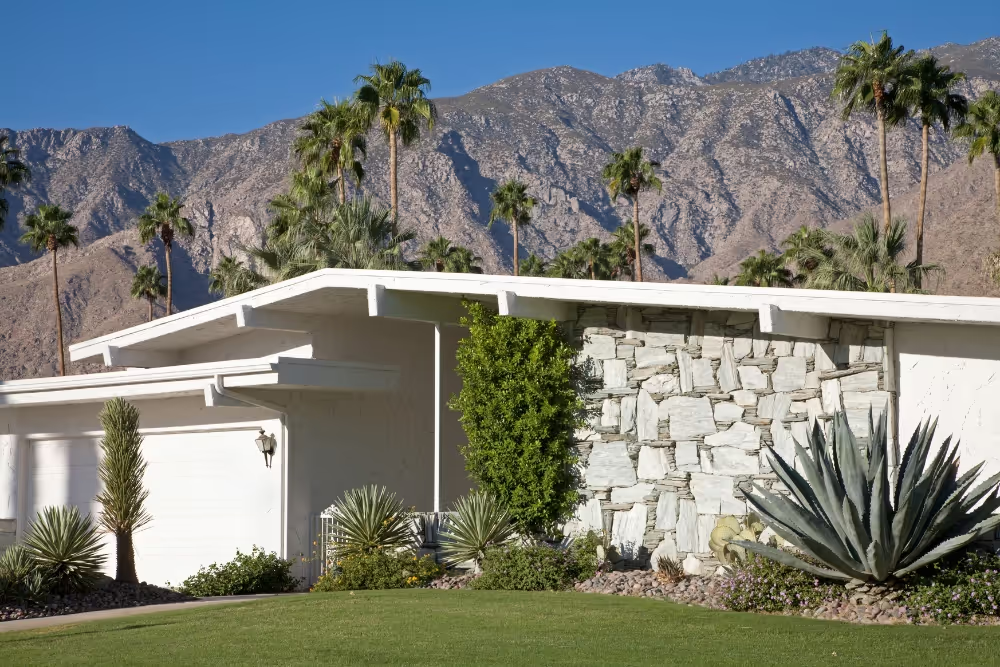
Palm Springs has both roof types in abundance. Which one actually holds up better here depends on the home, the architecture, and what you expect from it over time.
Flat vs Pitched Roof in Palm Springs
For most Palm Springs homes, flat and low-slope roofs are the right call, and that is not an accident. The desert modernist architecture that defines this city was designed around flat rooflines. They are not a compromise. They are the look, and they perform well here because the desert does not throw heavy rain or snow at them. What they do require is more hands-on maintenance than a pitched roof, and if that does not happen on schedule, they fail faster.
Pitched roofs are common too, especially on tile-roof homes built in the 1980s and 1990s in communities across the valley. They shed the occasional hard rain better and need less regular upkeep. The underlayment underneath them is still the weak link, and in desert conditions it dries out faster than most homeowners expect.
Neither roof type is universally better. The right answer depends on what is already on the house, what style it is built in, and how much maintenance you are willing to stay on top of.
By the Numbers
These are typical figures for the Coachella Valley. Actual costs and lifespans vary based on roof size, material condition, maintenance history, and specific product choices. Get a written scope before committing to any roofing work.
Why Flat Roofs Dominate Palm Springs Architecture
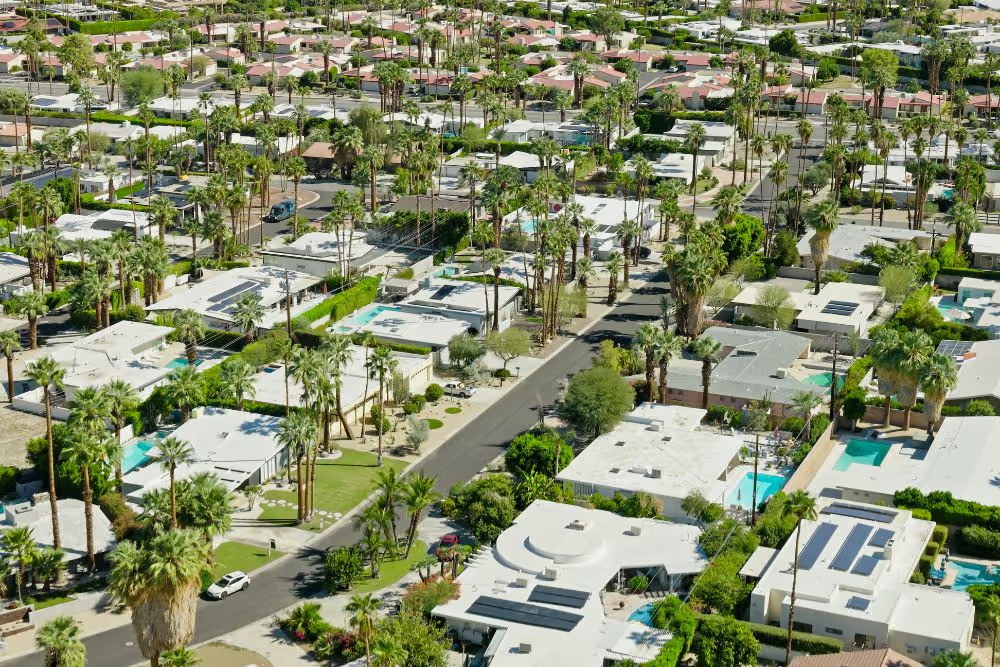
Palm Springs is the largest concentration of preserved mid-century modern architecture in the world. Flat rooflines are core to that identity. Architects like Albert Frey, William Krisel, and Richard Neutra built flat and low-slope roofs specifically because they suited the desert environment, emphasized the horizontal relationship between building and landscape, and extended overhangs to shade walls and windows from direct sun.
In a climate with almost no rainfall, the main argument against flat roofs, poor drainage, is largely neutralized. The Coachella Valley averages around 5 inches of rain per year. That is not enough to overwhelm a properly maintained flat roof with functional drains and scuppers. The real stress here is UV radiation and heat, and modern elastomeric coatings handle both when they are refreshed on schedule.
Foam roofing, which has been installed on Palm Springs homes since the 1960s, is seamless and highly insulating. That is a practical advantage in a place where rooftop heat gain drives air conditioning loads all summer. A well-coated foam roof reflects solar radiation and keeps the interior measurably cooler than an uncoated surface.
We worked on a home in Twin Palms, Palm Springs recently where the original foam roof was still structurally sound after nearly 20 years. The coating had gone too long between refreshes and had oxidized badly, but the foam underneath was solid. A recoat brought it back without a full tear-off. That is the best-case scenario for a maintained flat roof out here.
Where Pitched Roofs Make Sense in Palm Springs
Pitched roofs are common on tile homes built across Palm Springs in the 1980s and 1990s, and on newer construction in communities like PGA West, Trilogy, and similar developments across La Quinta and Indio. They are also standard on many Spanish Colonial and Mediterranean-style homes throughout the valley.
The pitched roof's main advantage is passive drainage. Rain, debris, and even bird droppings shed off naturally rather than sitting on the surface. That is less of a selling point in a place that gets 5 inches of rain a year, but it still matters. Debris piles up against drains and scuppers on flat roofs, and if drains are not cleared regularly, even modest rainfall can pond.
Pitched roofs also create attic space that can buffer heat gain between the roofing material and the living space below. That thermal buffer has real energy value in the desert when it is properly ventilated. An unventilated attic on a pitched roof can actually trap heat and make cooling loads worse, so ventilation matters as much as the pitch itself.
Concrete and clay tile is the best long-term material for pitched desert roofs. The tile does not degrade from UV exposure the way asphalt shingles do. It can last 40 to 50 years with minimal attention. The weak point is always the underlayment underneath, which dries and cracks over time in the desert heat regardless of how good the tile looks from the street.
Flat Roof Failure Patterns in the Desert
The number one reason flat roofs fail in Palm Springs is deferred coating maintenance. When the elastomeric coating on a foam roof is allowed to degrade without being refreshed, UV radiation gets to the foam directly. The foam becomes brittle, develops cracks, and water finds those cracks fast during the summer monsoon rain events we get in July and August. What started as a maintenance issue becomes a substrate replacement job.
Drain and scupper blockage is the second most common problem. Debris, dried plant material, and dust accumulate at drain openings. The valley gets significant wind events off the San Gorgonio Pass, and they push debris across flat roof surfaces. If drains are not inspected and cleared at least once a year, ponding happens. Ponding stresses seams, edges, and any penetration points in the membrane.
Flashing failures around penetrations are the third pattern we see consistently. HVAC equipment, conduit runs, and pipe stacks all penetrate flat roofs. The flashing and sealant at those penetrations expands and contracts with the temperature swings out here. Joints that were solid at installation start opening up after several years of thermal cycling.
Pitched Roof Failure Patterns in Palm Springs
Tile itself almost never fails in the desert. It handles UV, heat, and thermal cycling better than any other roofing material available. The problem is always what is underneath it.
Underlayment on a tile roof is typically a felt or synthetic layer between the tile and the roof deck. In the Coachella Valley, that layer is exposed to extreme heat, especially on south and west-facing slopes. Over time it dries, becomes brittle, and develops cracks. When the first significant rain hits cracks in the underlayment, water gets to the wood deck below.
By the time a homeowner notices a water stain on an interior ceiling from a tile roof, the underlayment has usually been compromised for a while. That is what makes tile roof leaks frustrating. The tile looked fine from the street. The underlayment failing is invisible until the water shows up inside.
Re-roofing a tile roof means removing every tile, replacing the underlayment, and re-setting the tile. The tile can often be reused if it is in good condition, which reduces material cost. Labor is still significant because every piece has to come off and go back on. If the deck shows wet wood underneath, that gets addressed during the same job.
Cool Roof Requirements and Title 24 in the Desert
Both flat and pitched roofs in the Coachella Valley are subject to California's Title 24 energy code when you re-roof. The Coachella Valley sits in climate zones 13 and 15, which are among the hottest in the state. That has real implications for what materials your contractor can use.
For flat and low-slope roofs, California requires roofing products to meet minimum solar reflectance and thermal emittance ratings. Elastomeric coatings applied on foam roofs typically satisfy these requirements, but the product has to carry a CRRC rating showing verified performance numbers. Your contractor should pull the rated product specification when pulling the permit.
For steep-slope roofs, the cool roof requirements apply in climate zones 13 and 15. Concrete and clay tile typically meets these standards. Asphalt shingles vary by product. Not every shingle on the market qualifies for desert re-roofs under current California code. Your contractor needs to specify a rated product before work begins, or it will not pass inspection.
The California Energy Commission's building energy efficiency standards page covers Title 24 requirements including cool roof specifications by climate zone. If your contractor cannot explain which rated product they are using on your project, that is worth asking about before signing anything.
Permits and Licensing for Palm Springs Roof Work
Any full re-roof in Palm Springs requires a permit, whether it is a flat foam system or a tile replacement. Spot repairs and maintenance work like recoating an existing foam roof generally do not require a permit, but a full tear-off and reinstall does. If you are not sure where your project falls, call the city before work starts.
The City of Palm Springs Building Department permits page explains when permits are required and how to apply through the city's online portal. Your roofing contractor should be pulling the permit and scheduling inspections on your behalf. If a contractor suggests skipping the permit to save time or money, that is a problem. An unpermitted re-roof creates real complications at sale time and can void a homeowner's insurance claim after a storm.
California law requires any contractor performing roofing work to hold an active C-39 Roofing Contractor license issued by the CSLB. The license covers all roofing systems, including foam, membrane, tile, and asphalt. You can verify any contractor's license number and standing directly on the CSLB website before signing a contract.
Truly Tough Roofing: Flat Roofs, Tile Roofs, and Everything In Between
Our roofing team at Truly Tough Roofing handles both flat and pitched roof systems across Palm Springs, Palm Desert, La Quinta, Indio, and the rest of the Coachella Valley. We do foam recoats and full foam replacements, tile re-roofs, TPO and modified bitumen membrane installations, flashing repairs, and complete deck replacements when the substrate has taken water damage. Our roofing work is led by Alber Melara, a Coachella Valley native with over 20 years of hands-on experience and a track record that includes being voted Best of the Desert.
If you want a straight read on what your roof actually needs, we will come out and give you an honest inspection. Call us at 760-343-5807 or reach us at Roofing@TrulyTough.com.
Frequently Asked Questions
Are flat roofs a problem in Palm Springs?
No, flat roofs are well-suited to the desert climate when they are properly maintained. The low annual rainfall means drainage stress is minimal. The main requirement is keeping the elastomeric coating fresh and drains clear on a regular schedule.
How long does a flat roof last in Palm Springs?
A foam flat roof with regular elastomeric recoating every 5 to 7 years can realistically last 20 to 25 years in the Coachella Valley. Without that maintenance, it will fail significantly sooner as the coating oxidizes and UV reaches the foam beneath it.
Which roof type is cheaper in Palm Springs, flat or pitched?
Flat roof systems are generally less expensive to install upfront than pitched tile roofs. However, flat roofs require more frequent ongoing maintenance costs. Over the full lifespan, the cost difference narrows considerably.
Do I need a permit for a roof replacement in Palm Springs?
Yes, any full re-roof requires a permit from the City of Palm Springs Building Department. Spot repairs and maintenance work like recoating typically do not. Your contractor should handle the permit and schedule all required inspections.
What roofing material holds up best in desert heat?
Concrete and clay tile is the most durable long-term material for pitched desert roofs, often lasting 40 to 50 years. For flat and low-slope roofs, a properly coated foam system or a quality TPO membrane both perform well in high-UV desert conditions.
Can I add solar panels to a flat roof in Palm Springs?
Yes, flat roofs are well-suited for solar because mounting systems can be angled to optimize panel orientation regardless of which direction the house faces. If your flat roof is approaching end of life, replace it before the panels go on to avoid the cost of removing and reinstalling the array later.
What is the biggest maintenance difference between flat and pitched roofs?
Flat roofs require proactive scheduled maintenance, specifically elastomeric recoating and annual drain inspection. Pitched tile roofs require less routine attention but should be inspected periodically to assess underlayment condition, which fails invisibly from the outside.
How do I know if my roofing contractor is licensed in California?
You can look up any contractor's active license status through the California Contractors State License Board website. Roofing work requires a C-39 Roofing Contractor classification. Always verify the license is active before signing any contract or paying a deposit.









.svg)
