.svg)



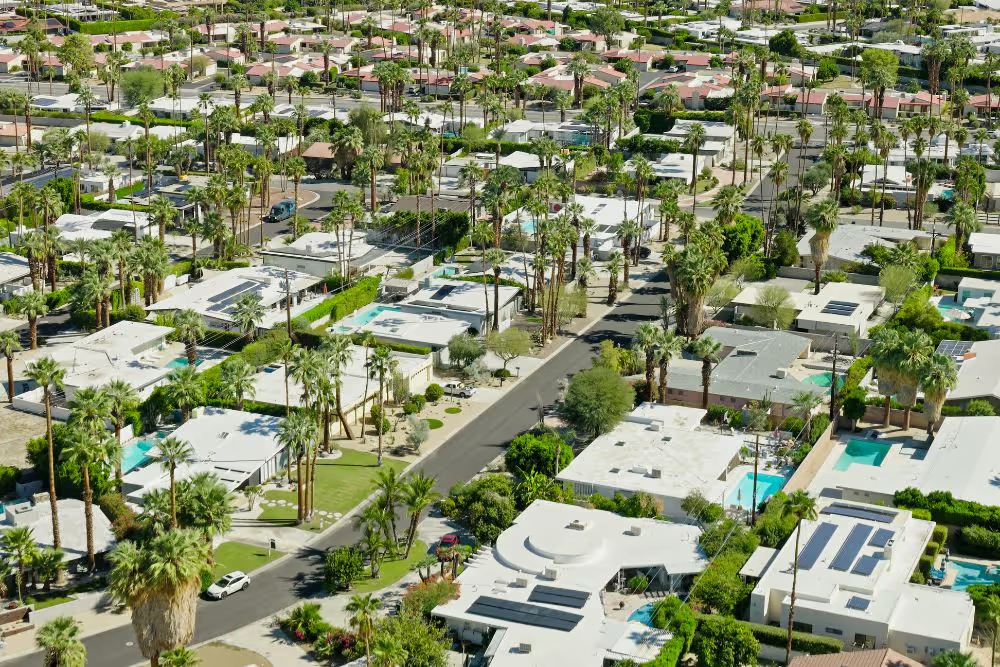
Flat roof inspection and repair in Palm Springs comes up regularly because the city has more flat and low-slope roofs per capita than almost anywhere else in California. Mid-century modern architecture built the look of the valley around them.
Flat Roof Inspection and Repair in Palm Springs
Flat roof repair in Palm Springs runs $300 to $1,500 for minor isolated work: sealing a crack, patching a blister, clearing a blocked drain, or fixing a failed flashing detail. Moderate repairs covering a larger area, multiple problem spots, or a section of membrane run $1,500 to $5,000. Major repairs involving significant deck damage, large membrane sections, or drainage system work can reach $5,000 to $15,000 or more depending on roof size and what is found once work begins.
Flat roof inspection in Palm Springs is relevant for any low-slope or flat roof that is ten or more years old, any property before it changes hands, and any time there is ponding water that does not drain within 48 hours, interior ceiling staining, or surface blistering visible from the roofline. A proper inspection checks the entire surface, every drain and scupper, all penetrations, parapet wall flashings, and any area where equipment has been installed or serviced.
Palm Springs is genuinely different terrain for flat roofing than most California markets. The combination of extreme UV, summer surface temperatures that can reach 160 to 170 degrees, and the thermal cycling between intense heat and cool desert nights puts flat roof materials under stress that coastal and valley contractors frequently underestimate. A roof system that performs adequately in San Diego or Los Angeles for 20 years may show meaningful degradation in Palm Springs in 12 to 15. Understanding what is on a roof and what its realistic service life is in this specific climate is the starting point for any honest inspection.
Flat Roof Systems Common in Palm Springs
Palm Springs has three dominant flat roof systems across its residential and commercial building stock. Understanding which system is on a given roof shapes every inspection and repair conversation that follows.
How Palm Springs Climate Affects Flat Roofs
Every flat roof problem in Palm Springs comes back to one of four conditions. Understanding them explains why roofs here need more frequent attention than in most other California markets.
- Extreme UV and surface temperatures. Flat roof surfaces in Palm Springs absorb direct desert sun with no shading and can reach 160 to 170 degrees in summer. That sustained heat accelerates the oxidation and drying of asphalt-based materials, degrades elastomeric coatings faster than in moderate climates, and causes sealants around penetrations to harden and crack. A coating or sealant product rated for a 10-year service life in a temperate climate may realistically last 6 to 8 years in Palm Springs before it needs attention.
- Thermal cycling. The same roof that reaches 165 degrees on a July afternoon may drop to 45 degrees on a January night. That temperature range, repeated daily for decades, causes expansion and contraction in every component of the roof system. Seams, flashings, and penetration sealants are the most vulnerable because they are the transition points between different materials with different expansion rates. Over time, thermal cycling opens seams that appeared intact at installation and separates sealant from the materials it was bridging.
- Ponding water. Flat roofs drain slowly by design, but any water that remains pooled more than 48 hours after a rain event is a problem. Ponding accelerates membrane degradation, adds load stress to the deck, and feeds algae growth that further breaks down roofing materials. In Palm Springs, where rainfall is infrequent but can be concentrated in short intense events during winter and late-summer monsoon periods, drainage systems that are partially blocked or poorly sloped can create ponding situations that accumulate damage over years without being noticed.
- Dust and debris accumulation. Palm Springs wind events carry fine desert sand and dust across roof surfaces continuously. That material accumulates in drain sumps and scuppers, blocks drainage, and acts as an abrasive that accelerates surface wear wherever foot traffic occurs for HVAC service, solar maintenance, or inspection. Keeping drains and scuppers clear is the single most effective low-cost maintenance action for any Palm Springs flat roof.
What a Flat Roof Inspection Covers in Palm Springs
A proper flat roof inspection is a systematic evaluation of the entire roof surface and all of its transition points. In Palm Springs, there are specific areas that concentrate the most failure risk and require the closest attention.
Cost of Flat Roof Repair in Palm Springs
Roof size, membrane type, access difficulty, and the condition of the deck beneath all affect final cost. A flat roof that has been leaking undetected for an extended period often has deck damage that is not visible until the membrane is opened, which can increase the scope of any repair significantly. Always request an itemized written scope before work begins so both parties understand what is included and what is not.
The Case for Foam Roofing in Palm Springs
When a Palm Springs flat roof reaches end of life or requires significant repair, the replacement system decision matters more than in most markets. Foam roofing has been the dominant upgrade path for flat roofs throughout the Coachella Valley for good reason, and the reasons are specific to this climate.
A foam roof is seamless. There are no seams to fail, no laps to separate, and no transition points between sheets of membrane. In a climate where thermal cycling is extreme and every seam is stressed thousands of times a year, eliminating seams as a failure mechanism is a meaningful structural advantage. BUR and single-ply membrane systems both rely on seam integrity for their waterproofing function. SPF foam does not.
Foam provides insulation that BUR and single-ply systems do not. In Palm Springs where HVAC systems run for six or more months of the year to handle 110-plus degree summers, reducing heat transfer through the roof deck is a real energy cost reduction. Homeowners who convert from aging BUR to foam roofing consistently report lower summer cooling costs, which offsets a portion of the installation investment over time.
The renewable nature of foam roofing is the third advantage. When the elastomeric top coat needs refreshing, a foam roof is recoated rather than torn off and replaced. We recommend inspecting a foam roof every three to five years and recoating when the coating shows wear, typically around the five-year mark depending on condition and sun exposure. The foam substrate remains in place. The recoat refreshes the weather surface at a fraction of full replacement cost. A foam roof installed correctly and maintained with periodic recoating has an indefinite service life, unlike BUR and membrane systems that require full tear-off and replacement at the end of their material lifespan.
Repair vs Replacement for Palm Springs Flat Roofs
Permits and Licensing for Flat Roof Work in Palm Springs
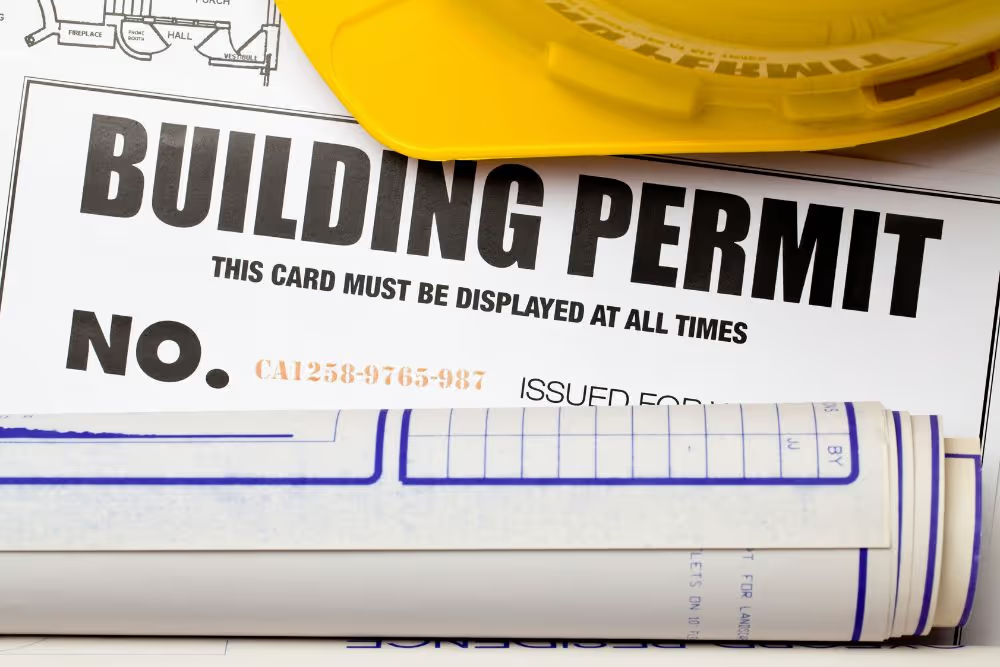
Minor flat roof repairs, patching a blister, resealing a penetration, or clearing a drain, generally do not require a permit in Palm Springs. Full re-roofing, large-area membrane replacement, and any work involving structural deck repair require a permit from the City of Palm Springs Building Department. Permits are applied for through the City of Palm Springs permit page, and your contractor should be pulling the permit and scheduling inspections on your behalf.
All roofing contractors in California must hold an active C-39 Roofing Contractor license from the Contractors State License Board. Verify any contractor's license status through the CSLB website before signing anything. An unpermitted re-roof creates complications at resale and may affect insurance coverage on a subsequent claim.
Truly Tough Roofing Serving Palm Springs and the Coachella Valley
Our roofing division at Truly Tough Roofing handles flat roof inspections, BUR repairs, foam roof recoating, membrane replacement, flashing work, and drainage repair across Palm Springs, Palm Desert, La Quinta, Rancho Mirage, Indio, and throughout the Coachella Valley. Our roofing work is led by Alber Melara, a Coachella Valley native with over 20 years of hands-on roofing experience and extensive knowledge of desert flat roof systems. Call us at 760-343-5807 or reach us at Roofing@TrulyTough.com.
Frequently Asked Questions
How much does flat roof repair cost in Palm Springs?
Minor repairs including crack or blister patching, drain clearing, or a pipe boot replacement typically run $300 to $1,500. Moderate repairs covering multiple problem areas or parapet flashing work run $1,500 to $5,000. Major repairs involving deck damage, large membrane sections, or drainage overhaul can reach $5,000 to $15,000 or more. Always request an itemized written scope so you understand exactly what is included.
How often should a flat roof in Palm Springs be inspected?
Every one to two years is the right interval for routine inspections in Palm Springs, and annually for roofs over 15 years old. Additionally inspect after any significant wind or rain event, after HVAC or solar work has been performed on the roof, and before listing the property for sale. The desert climate accelerates flat roof aging, and problems found early are consistently less expensive to address than problems found after they have expanded.
Why is my flat roof leaking even though there is no obvious damage?
BUR and multi-layer membrane roofs are notorious for lateral water migration. Water enters at one point and travels between layers before finding a path to the interior, often ending up several feet away from the actual entry point. A ceiling stain directly below the roof surface is almost never directly below the source of the leak. Systematic inspection of the full roof surface, not just the area above the stain, is required to find the actual entry point.
Is foam roofing better than tar and gravel for a Palm Springs home?
For most Palm Springs flat roofs, yes. Foam is seamless, which eliminates the seam failures that are the primary leak source in BUR systems. It provides meaningful insulation that reduces summer cooling costs. And it is renewable: periodic recoating extends the service life of the foam substrate indefinitely rather than requiring full replacement at end of life the way BUR and membrane systems do. The upfront cost is similar to a quality BUR installation, and the long-term performance in desert conditions is superior.
How long do foam roofs last in Palm Springs?
The foam substrate, if properly installed, can last indefinitely with periodic recoating. We recommend getting a roofer to inspect a foam roof every three to five years and recoating when the elastomeric coating shows wear, typically around the five-year mark in Palm Springs conditions. A recoat extends the service life of the roof for another full cycle. Foam roofs installed correctly in the 1980s and 1990s in Palm Springs are still in service on their second and third recoat.
What causes blisters on a flat roof?
Blisters form when moisture is trapped between layers of the roofing system and expands under heat. In Palm Springs summer temperatures, that expansion can be significant. Small blisters in an otherwise sound membrane may be stable and not leaking. Blisters that have ruptured, are soft underfoot, or show dark staining indicate moisture has penetrated and the area needs repair. A ruptured blister is an open wound in the membrane and should not be left unaddressed through a rain season.
Can I add solar panels to a flat roof in Palm Springs?
Yes, flat roofs are actually well-suited for solar installation because panels can be angled optimally without the constraints of a sloped roof. The critical consideration is the age and condition of the existing roof. Adding solar to a flat roof that is within five to eight years of needing replacement creates a situation where the panels have to be removed and reinstalled when the roof is eventually re-roofed, which adds significant cost. A roof inspection before solar permitting is a worthwhile step that can save a substantial amount if it reveals the roof should be addressed first.
Do flat roof repairs require a permit in Palm Springs?
Minor repairs generally do not. Full re-roofing, large-area membrane replacement, and deck repair require a permit from the City of Palm Springs Building Department. Your contractor should pull the permit and schedule inspections on your behalf. An unpermitted re-roof creates complications at resale and may affect insurance coverage for future claims.








.svg)
