.svg)


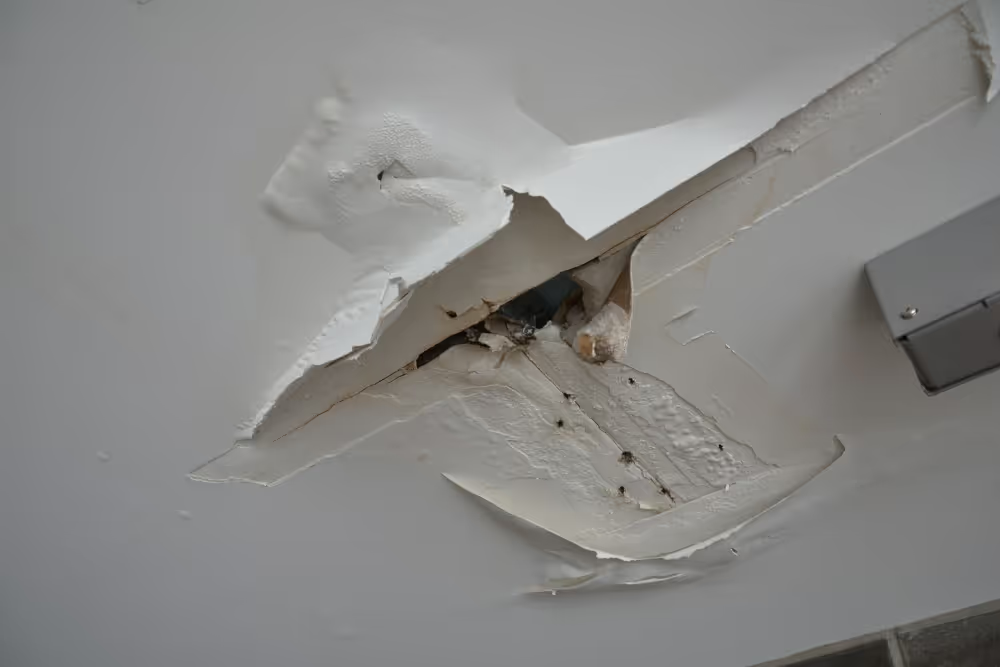
Drywall damage in the desert is its own category. The heat, the dry air, and the occasional plumbing leak all work on your walls in ways that homeowners in other parts of California just don't deal with.
What Drywall Repair Costs in Palm Desert
Most drywall repair jobs in Palm Desert run between $150 and $900 for walls, and $400 to $1,500 for ceilings. A small hole, the kind left behind by a doorknob or a plumber's access cut, typically runs $150 to $350 including patching, texture matching, and a coat of paint primer. Larger repairs, anything involving water damage or a section bigger than a couple square feet, tend to land in the $400 to $900 range. Full panel replacement or extensive ceiling work can push past $1,000, especially when the texture is complex.
Most contractors in this area will have a minimum service fee of $100 to $150 just to show up. That covers a single small repair. If you have multiple spots that need attention, it almost always makes sense to bundle them into one visit rather than calling someone out twice.
Labor makes up the majority of the cost. Material for a typical patch job is cheap. What you are paying for is the skill to make a repair invisible, and texture matching in particular takes real experience to get right.
Cost at a Glance
Prices reflect Coachella Valley labor rates as of 2025. Final cost depends on texture complexity, paint matching, number of repairs, and whether water damage cleanup or mold treatment is needed before patching begins.
Why Drywall Takes a Beating in Palm Desert Specifically
The desert climate does things to drywall that contractors in wetter climates never have to think about. Gypsum board contracts slightly in extreme heat and expands again when temperatures drop overnight. Over years, that thermal cycling creates nail pops, hairline cracks along seams, and stress fractures around door and window openings. It is not poor installation. It is just physics.
Irrigation is the other big factor. Palm Desert homes with drip systems around the foundation, or older homes with landscape watering that runs too close to the structure, can end up with moisture wicking up into the lower portions of exterior-facing walls. That moisture hits the back of the drywall, and by the time you see a stain on the interior surface, there is usually more damage behind the wall than you expect.
The AC systems here also play a role. Running a central air unit hard for six or more months of the year puts a lot of condensation through the ducts. Poor insulation around those ducts, or ducts that run through unconditioned attic space, can drip over time onto ceiling drywall. That is actually one of the more common ceiling repair calls we get in the summer months in this area.
We did a repair at a home in Monterey Country Club last fall where what looked like a small water stain on the ceiling turned out to be three panels that were completely saturated from a slow duct condensation drip nobody had noticed. The stain was about the size of a dinner plate. The damage behind it was significantly larger.
The Repair Process: What Actually Happens on the Job
A proper repair takes at least two visits spread over two to three days minimum. Anyone completing a wall patch with texture and paint in a single visit is rushing the mud drying process, and you will see it within six months.
Texture Matching in Palm Desert: Why It Is Harder Than It Looks
Texture matching is probably the single thing that separates a professional drywall repair from one that looks patched. Most homes in Palm Desert have either orange peel or knockdown texture, and both of those have a lot of variation depending on how they were originally applied, how old they are, and what products were used at the time.
Orange peel gets its name because the surface looks like the skin of a citrus fruit. It is applied with a spray hopper and the droplet size, air pressure, and distance from the wall all affect the final look. Replicating it on a repair area requires some trial and error, usually on cardboard, before touching the wall. Getting the density too high or too low makes the patch obvious from three feet away.
Knockdown is a little more forgiving because the trowel work introduces variation naturally. But the thickness of the stipple and how aggressively it was knocked down vary from home to home, and sometimes from room to room in the same house. We always mix test patches before committing to the wall.
HOA communities in Palm Desert often have interior finish standards that go beyond just texture. Some require specific paint sheen levels and others have color consistency requirements for common areas and exteriors. If you are in a community with an architectural review process, it is worth confirming what those standards are before the repair is painted so there are no callbacks.
Water Damage Drywall Repairs: What Palm Desert Homeowners Get Wrong
The number one mistake is patching over wet drywall. I understand why people do it. The leak is fixed, the wall looks mostly dry, and you want to move on. But drywall that has absorbed water does not just dry from the surface. The gypsum core holds moisture well past when it looks or feels dry to the touch, and sealing a patch over damp material traps that moisture inside the wall cavity. Mold follows, usually within a few weeks.
The right call is to use a moisture meter before any patching begins. We use one on every water-related repair. You want to see readings below about 16 percent before the new drywall goes in. Anything above that needs more drying time, sometimes with a dehumidifier running in the room for a day or two.
The other common mistake is cutting the repair too small. Water travels in walls. A stain on the surface is almost never the full extent of the wet material. We cut back past the visible damage until we hit drywall that is genuinely dry and structurally sound. That usually means the repair is larger than what the homeowner expected, but it is the only way to get a repair that holds.
- Always confirm the leak source is resolved before starting the patch
- Use a moisture meter to verify drywall is dry before closing the wall
- Cut back past the visible stain to find solid, unaffected material
- Treat framing for mold if any growth is present before hanging new drywall
- Let mud dry fully between coats even if it takes an extra day
- Prime before painting so the finish coat does not absorb unevenly into new drywall
Drywall Repair After Plumbing or Electrical Work in Palm Desert
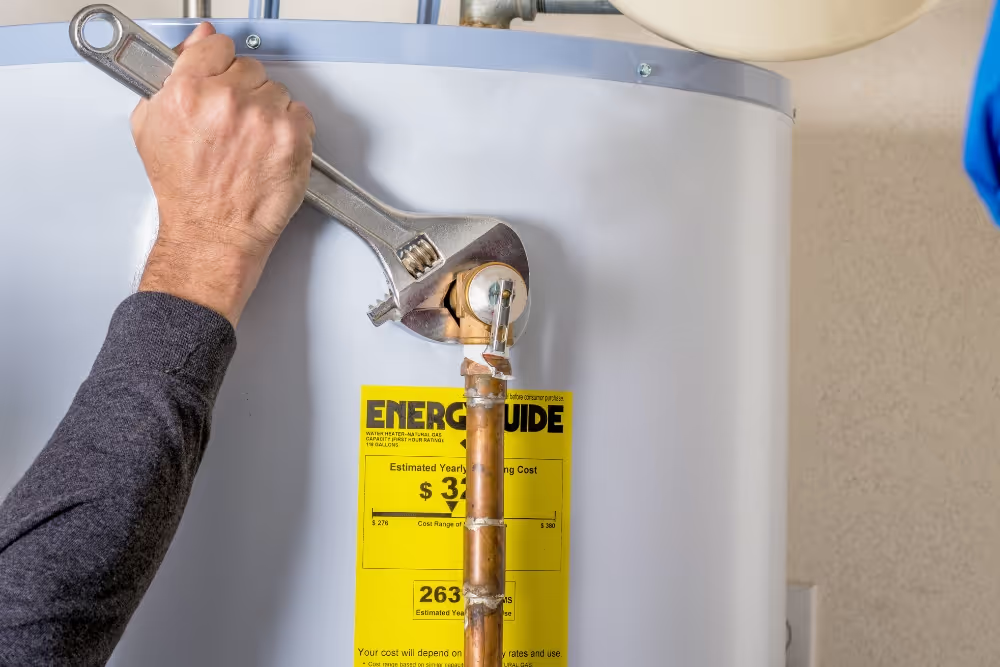
This is probably the most common reason we get called for drywall work. A plumber fixes a leak behind the wall, or an electrician runs a new circuit, and now there is an access cut that needs to be patched and matched to the rest of the room. It happens constantly, especially in older Palm Desert homes where the original plumbing is being repaired or replaced.
The timing on these calls matters. Plumbers and electricians do not typically patch their own access cuts, and the homeowner is left with an open hole that sometimes sits for weeks before anyone addresses it. The longer it sits, the more dust settles inside the wall cavity and the more likely something bumps the edge of the cut and crumbles it further.
If you are scheduling plumbing or electrical work, it is worth lining up the drywall repair at the same time so it happens immediately after. That way you are not living with an open wall for a month and you can confirm the trades are done before the wall closes back up.
Our drywall team coordinates with other trades regularly. If you need the plumbing handled first, we can sequence the repair so everything is done in the right order. Reach us at 760-343-5773 or at Drywall@TrulyTough.com and we can talk through the timing.
When to Repair vs. Replace Drywall Entirely
Small to medium holes, cracks along seams, nail pops, and isolated water stains are all repair situations. Patching is faster and cheaper, and when it is done well you cannot tell the difference between a repaired wall and a new one.
Full replacement starts to make more sense when the damage covers a large portion of a wall, when there is widespread mold behind the drywall, or when the existing drywall is original to a home that was built before moisture-resistant products were standard. Some older Palm Desert homes still have panels that are too thin for modern code requirements in certain areas like bathrooms or garages, and those are worth replacing during any major repair anyway.
If a wall has multiple areas of water damage at different heights, that is usually a sign of a systemic problem rather than a single event. Patching individual spots without investigating the cause is a short-term fix. In those cases we would rather pull a larger section, see what is happening in the wall cavity, and make sure the framing and insulation are solid before putting new drywall back up.
If you are getting the house ready to sell, full replacement on a wall that has multiple patched areas can sometimes make more sense from a presentation standpoint. Three or four visible repairs in the same room read as deferred maintenance to a buyer's inspector. A single fresh wall reads as taken care of.
Frequently Asked Questions
How much does drywall repair cost in Palm Desert?
Most repairs run $150 to $900 for walls and $440 to $1,500 for ceilings, depending on the size and complexity. Small hole patches with texture and primer start around $150 to $350. Water damage repairs typically land in the $400 to $900 range once removal, drying time, and finishing are factored in.
How long does drywall repair take in Palm Desert?
A proper repair takes two to three days minimum because joint compound needs to dry fully between coats. A contractor who finishes texture and paint in a single visit is skipping drying time, and the repair will likely crack or shrink within a few months.
Can you match the existing texture on my walls?
Yes, but it requires experience. Orange peel, knockdown, and skip trowel textures all vary home to home depending on how they were originally applied. A skilled drywall contractor will test texture on cardboard before touching the wall to dial in the right density and pattern.
Do I need a permit for drywall repair in Palm Desert?
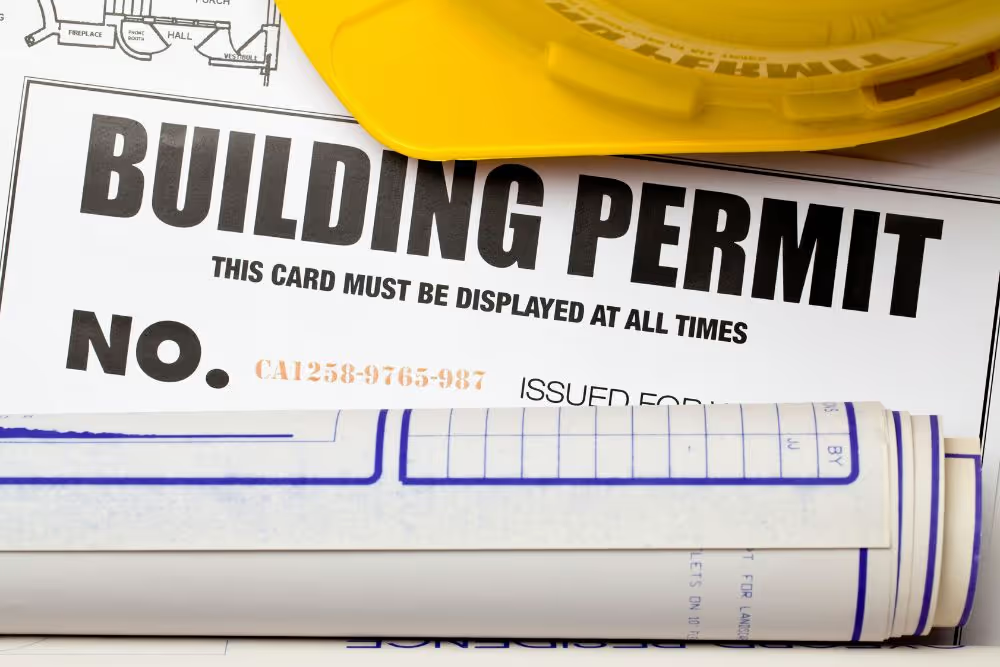
Minor repairs like patching holes and fixing cracks do not require a permit. Larger projects involving new framing, fire-rated assemblies, or significant structural changes may require one. Your contractor should flag permit requirements before the work begins.
What causes drywall cracks in desert homes?
The thermal cycling in Palm Desert's climate is a major factor. Extreme daytime heat and cooler nights cause the structure to expand and contract, which stresses drywall seams and creates hairline cracks over time. Settlement and nail pops are also common in homes that are more than ten to fifteen years old.
Should I repair drywall before selling my Palm Desert home?
Almost always yes. Visible drywall damage shows up on inspection reports and gives buyers a negotiating point. A repair that costs a few hundred dollars can prevent a larger price concession in escrow or a buyer asking for a credit that exceeds the actual repair cost.
What happens if water-damaged drywall is not replaced?
Drywall that stays wet after a leak will develop mold behind the wall surface, usually within a few weeks in a warm climate like Palm Desert. That mold then spreads to the framing and insulation, turning a straightforward drywall repair into a much larger and more expensive remediation job.
Can I patch drywall myself in Palm Desert?
Small nail holes and minor cracks are reasonable DIY projects. Anything involving water damage, significant size, or texture matching is better left to a professional. The materials are inexpensive but the skill to make a repair invisible, especially with texture matching, takes consistent practice to develop.






.svg)
