.svg)



Concrete roof inspection and repair in Palm Springs addresses one of the most misunderstood flat roof systems in the valley. The concrete deck is the structure. What leaks is always the waterproofing system on top of it, and understanding that distinction determines what actually needs to be fixed.
Concrete Roof Inspection and Repair in Palm Springs
Concrete roof repair in Palm Springs runs $300 to $1,500 for minor isolated work: sealing a crack in the concrete or the waterproofing system above it, resealing a penetration, patching a section of coating that has peeled or separated from the deck, or addressing a drain that is holding water against the surface. Moderate repair scope covering multiple cracks, a section of failed waterproofing, expansion joint resealing, or drainage corrections runs $1,500 to $5,000. Major repairs involving large areas of failed waterproofing, concrete surface work across a significant portion of the deck, or structural concerns can reach $5,000 to $15,000 or more.
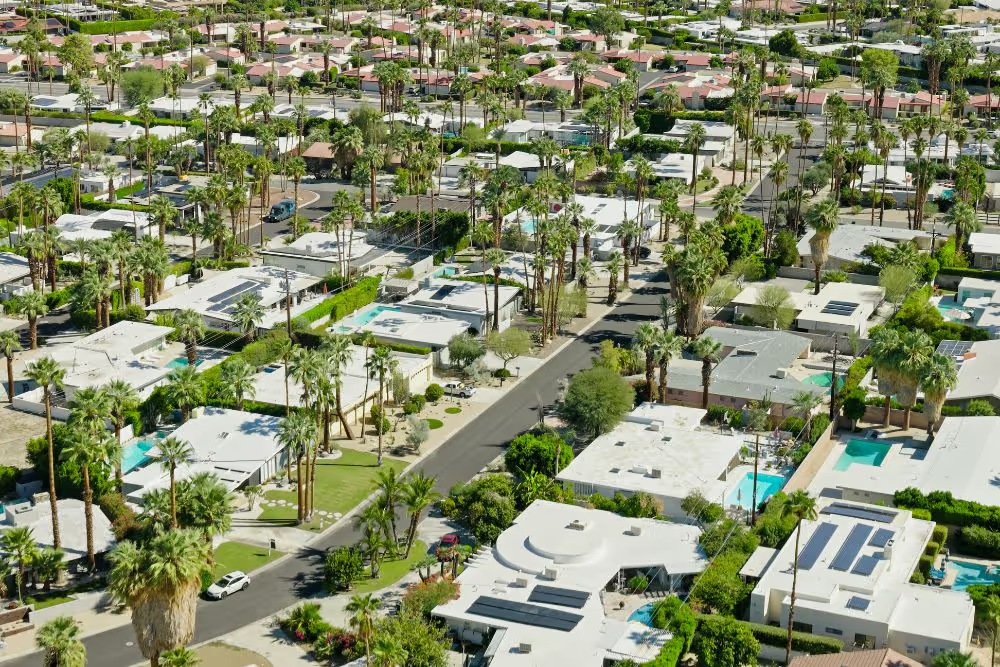
A concrete roof in Palm Springs is a poured-in-place concrete structural deck used as the roof surface on flat or low-slope homes and commercial buildings. It is extremely common on mid-century modern homes built throughout the 1950s, 60s, and 70s, where the architectural style called for flat rooflines and exposed structural concrete. The concrete deck itself can last 50 years or more. The waterproofing system on top of it, which is what actually keeps water out of the building, has a much shorter service life and is what requires ongoing inspection and maintenance.
Concrete is not waterproof. It is porous, it cracks under thermal cycling, and it passes moisture readily when water sits on it under pressure. Every concrete roof deck in Palm Springs requires a continuous waterproof layer between the concrete surface and the weather above it. On many Palm Springs homes, that layer is spray polyurethane foam topped with an elastomeric coating. On others it is modified bitumen, a built-up membrane, or a single-ply membrane like TPO or PVC. When a concrete roof leaks, the problem is almost always in that waterproofing layer, not in the structural concrete itself.
The Concrete Deck vs the Waterproofing System
This distinction is the most important thing to understand about a concrete roof in Palm Springs. The concrete deck and the waterproofing system above it are two separate things with very different lifespans and very different failure modes. Conflating them leads to misdiagnosis, misdirected repair spending, and continued leaks.
How Desert Conditions Stress Concrete Roofs in Palm Springs
Palm Springs's climate creates a specific set of stressors on concrete roof decks and the waterproofing systems above them. Understanding these helps clarify why inspection and maintenance are more consequential here than in moderate California markets.
- Thermal cycling and crack propagation. Concrete expands as it heats and contracts as it cools. The daily temperature swing on a Palm Springs rooftop, from cool desert nights to extreme summer afternoon heat, is more severe than in coastal California markets. Over years and decades, this cycling works existing cracks open and creates new ones. Cracks that are hairline-width when first formed can widen over multiple summers of thermal cycling. Expansion joints built into the concrete deck are specifically designed to accommodate this movement: when they fail or their sealant deteriorates, the joint opens and water finds its way in.
- UV degradation of coatings over concrete. Elastomeric coatings applied directly to concrete or over foam on a concrete deck face the same desert UV conditions as coatings on any other Palm Springs flat roof. What is different on a concrete deck is the consequence when the coating fails. Unprotected concrete is porous. Once the waterproofing coating above the concrete begins cracking or peeling and water reaches the concrete surface, it enters the concrete matrix and migrates through it. Interior stains can appear well away from the actual entry point. Keeping the coating above the concrete intact prevents this pattern entirely.
- Ponding water at low spots and blocked drains. Concrete decks develop low spots over time as the building settles and the concrete deflects slightly under sustained load. Water that ponds in these areas sits under hydrostatic pressure against the waterproofing system. A coating or membrane that performs well in dynamic rain conditions can fail progressively under days of sustained water pressure in a low spot. Drain maintenance is proportionally more important on concrete decks than on roofs with steeper slopes because water that cannot drain accumulates against the waterproofing above the concrete rather than running off.
- Rebar corrosion from water intrusion. Concrete decks have reinforcing steel inside them. When water reaches that steel through cracks in the concrete, the steel corrodes. Corroding rebar expands as it oxidizes, which fractures the concrete above it from the inside outward. The result is visible spalling: sections of concrete surface that separate from the mass below them, exposing the rebar underneath. This is a structural repair situation that requires concrete work before waterproofing can be addressed. In Palm Springs's dry climate, rebar corrosion is less common than in coastal or humid markets, but it does occur on concrete decks with long-unaddressed waterproofing failures.
- HVAC penetrations and mechanical equipment loads. Concrete roof decks on Palm Springs homes and commercial buildings carry rooftop HVAC equipment, which creates concentrated load points and mechanical penetrations through the deck. Every penetration is a potential water entry point when its flashing seal deteriorates. HVAC equipment that is routinely serviced can disturb surrounding waterproofing details if the service contractor is not careful. After any significant HVAC work on a concrete roof, confirming that the penetration flashings are intact is a worthwhile step.
What a Concrete Roof Inspection Covers in Palm Springs
Waterproofing Options for Concrete Roofs in Palm Springs
When a concrete roof's waterproofing system has reached end of life or failed across a significant area, choosing the right replacement system matters. Palm Springs's desert climate, the concrete substrate's thermal cycling behavior, and California's Title 24 cool roof requirements for Climate Zone 15 all factor into the specification decision.
Cost of Concrete Roof Work in Palm Springs
Cost ranges reflect waterproofing repair and concrete surface work. Structural concrete repair, including rebar exposure remediation and spalling correction, is priced separately and can add significantly to project cost when it is needed. A thorough inspection before any repair work identifies which scope is applicable before budget commitments are made.
Permits and Licensing for Concrete Roof Work in Palm Springs
Minor waterproofing repairs including crack sealing, coating patches, expansion joint resealing, and penetration repair generally do not require a permit in Palm Springs. Full waterproofing system replacement over the concrete deck, any structural concrete repair, and re-roofing projects replacing 50 percent or more of the roof area require a permit through the City of Palm Springs Building Department. California Title 24 cool roof requirements for Climate Zone 15 apply to qualifying re-roofing projects: the waterproofing system specified must meet CRRC Solar Reflectance Index minimums for the climate zone.
All California roofing contractors must hold an active C-39 Roofing Contractor license from the Contractors State License Board. Structural concrete repair work may additionally require a general contractor or C-8 (Concrete) licensed contractor depending on the scope. Verify licenses before committing any contractor to this work and confirm which license classification covers the specific scope being proposed.
Truly Tough Roofing Serving Palm Springs and the Coachella Valley
Our roofing division at Truly Tough Roofing handles concrete roof inspections, waterproofing system assessments, foam application and recoating over concrete decks, membrane repairs, crack sealing, expansion joint work, and full waterproofing replacement across Palm Springs, Palm Desert, La Quinta, Rancho Mirage, Indio, and throughout the Coachella Valley. We work on mid-century modern homes and commercial properties with concrete flat roof decks, and we give clear assessments of whether a problem is in the waterproofing system or in the concrete itself. Our roofing work is led by Alber Melara, a Coachella Valley native with over 20 years of hands-on roofing experience. Call us at 760-343-5807 or reach us at Roofing@TrulyTough.com.
Frequently Asked Questions
How much does concrete roof repair cost in Palm Springs?
Minor repairs including crack sealing, expansion joint resealing, or isolated coating patches run $300 to $1,500. Moderate scope covering multiple areas, failed waterproofing sections, or drainage corrections runs $1,500 to $5,000. Major repairs involving large waterproofing failures or concrete surface work can reach $5,000 to $15,000 or more. Structural concrete repair including spalling and rebar remediation is priced separately and adds to these figures when it is needed.
Why is my concrete roof leaking if the concrete itself looks fine?
Because the concrete is not the waterproofing surface. Every concrete roof deck has a separate waterproofing system above it: foam with elastomeric coating, modified bitumen, TPO, or another membrane. That waterproofing system is what fails and causes leaks. The concrete below it can appear and be perfectly sound while the waterproofing above it has deteriorated to the point of allowing water through. Most concrete roof leaks are waterproofing failures, not concrete failures.
How long does a concrete roof last in Palm Springs?
The concrete structural deck itself can last 50 years or more with appropriate waterproofing maintenance above it. Mid-century modern concrete roof decks from the 1960s are still structurally sound on many Palm Springs properties where the waterproofing has been maintained. The waterproofing system above the concrete has a much shorter service life, typically 5 to 15 years depending on the system type, and must be maintained and periodically replaced over the life of the concrete deck.
What are expansion joints and why do they fail on concrete roofs?
Expansion joints are intentional breaks built into a concrete roof deck that allow sections of the concrete to move independently under thermal expansion and contraction. They are filled with flexible sealant designed to remain waterproof while accommodating that movement. In Palm Springs, the sealant in expansion joints degrades under UV and the extreme daily temperature cycling faster than in moderate climates. When the sealant cracks, hardens, or separates, the expansion joint becomes an open water entry channel directly through the concrete surface. Resealing expansion joints is one of the most commonly needed repairs on concrete roofs in Palm Springs and is a straightforward repair when identified early.
Can foam roofing be applied over an existing concrete roof deck?
Yes, and it is one of the most common waterproofing solutions for concrete roof decks in Palm Springs. Spray polyurethane foam can be applied directly to a prepared concrete surface, filling surface irregularities, adding insulation value, and creating a seamless substrate for the elastomeric coating above it. The concrete must be clean, dry, and free of active moisture before foam application. Any significant cracking or spalling in the concrete surface should be addressed before foam goes down to prevent those issues from transmitting through the foam layer.
What is concrete spalling and when does it require structural repair?
Spalling is the separation and loss of concrete surface material caused by the expansion of corroding reinforcing steel inside the deck. When water reaches the rebar through cracks in the concrete, the rebar oxidizes and expands, fracturing the concrete above it from the inside out. Visible signs include chunks of concrete surface separating, rust staining at the surface, and exposed rebar. Spalling over active rebar corrosion is a structural repair item that requires concrete work, not just waterproofing work, and should be assessed by a qualified contractor before any waterproofing work begins above it.
How often should a concrete roof be inspected in Palm Springs?
Every one to two years, and immediately when any interior staining, water intrusion, or visible surface change appears on the roof. The high UV exposure and extreme thermal cycling in Palm Springs means that waterproofing degradation above the concrete deck progresses faster than in moderate climates. Early detection of coating failures or expansion joint failures keeps repairs in the minor-to-moderate cost range. Deferred maintenance that allows water to reach the concrete over an extended period expands repair scope significantly by the time it is addressed.







.svg)
