.svg)


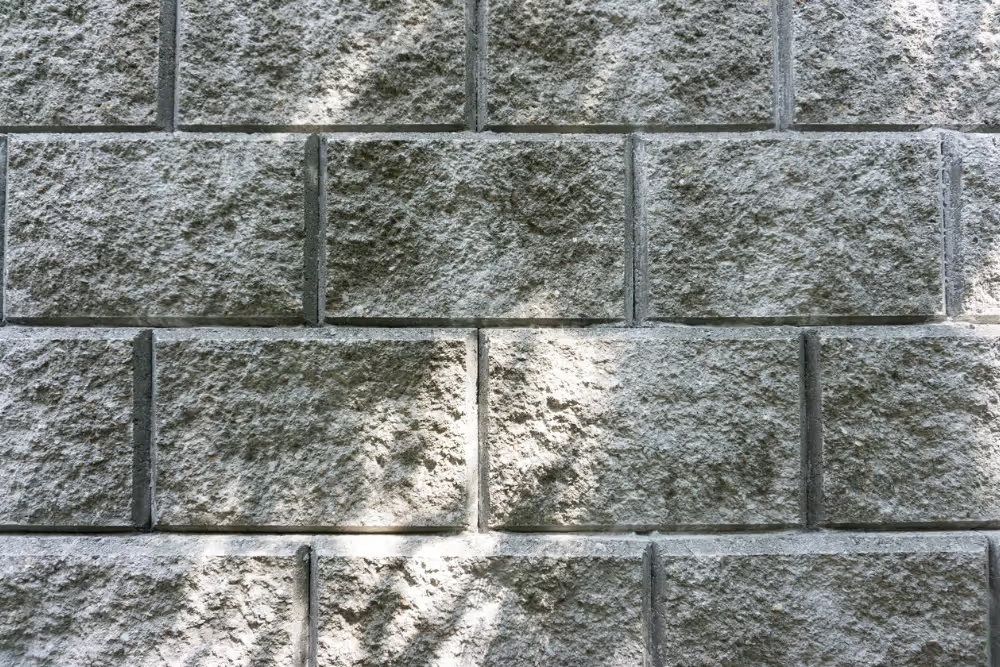
Block wall fences in Palm Springs are not just a practical choice, they are the dominant material in this market for good reason. Concrete masonry holds up to desert heat, high winds, and decades of UV exposure in ways that wood, vinyl, and chain link simply do not.
Block Wall Fence Installation and Repair in Palm Springs
Block wall fence installation in Palm Springs runs $60 to $120 per linear foot for most standard residential projects. That range covers a straight six-foot CMU (Concrete Masonry Unit) wall with a concrete footing, rebar reinforcement, and a basic stucco finish. Decorative finishes, taller walls, difficult site access, or demolition of an existing structure push costs higher. Repair work for isolated damage, cracking, or stucco failure typically runs $500 to $3,500 depending on scope.
Palm Springs is one of the better markets in California for block wall longevity. The dry desert climate eliminates the moisture-cycling that accelerates concrete deterioration in coastal or rainy regions. A properly built block wall here can last 40 to 50 years with minimal maintenance. The problems we see most often are not with the wall itself but with the footing, either undersized for the soil conditions or damaged by irrigation water over time, and with stucco finish coats that have cracked and separated from the block surface after years of thermal cycling.
We finished a perimeter wall replacement last year in Movie Colony, Palm Springs for a homeowner who had been patching the same section for three years. The original footing had been undersized, and each winter the ground movement would open the crack back up. The right answer was a new footing section and three new courses of block, not another round of patching.
Block Wall Styles Common in Palm Springs
The block wall style that works best for a given home depends on the architecture, the HOA requirements if applicable, and what the wall has to accomplish visually. Palm Springs has a few dominant styles that recur throughout the city.
Cost of Block Wall Installation and Repair in Palm Springs
Final cost depends on wall height, total linear footage, site access, soil conditions, whether demolition of an existing fence is required, and the finish specified. A wall that needs to go through a narrow side yard gate adds labor cost for material handling. Always get a written scope that breaks out demolition, footing, block, finish, and cap separately so you can compare quotes accurately.
What Drives Block Wall Cost Up or Down
Why Block Walls Work in Palm Springs
The desert climate in Palm Springs is one of the worst environments in California for wood fencing and one of the best for concrete masonry. Understanding why helps clarify the long-term value of the higher upfront cost.
The wind load comparison is particularly relevant here. Palm Springs and the Coachella Valley sit at the mouth of the San Gorgonio Pass, one of the most significant wind corridors in Southern California. Winds that regularly reach 50 to 70 miles per hour during seasonal events take down wood fence panels routinely. Block walls built to code with proper footings and rebar simply do not fail in these conditions. We see the same thing after every major wind event: wood and vinyl fences down throughout the valley, block walls standing without exception.
Repair vs Replacement: Reading the Wall
The decision to repair or replace an existing block wall comes down to two things: the condition of the footing and whether the structural integrity of the block courses themselves is compromised. Everything visible at the surface, cracked stucco, spalled block faces, deteriorated caps, is repairable. Problems at the footing level almost always mean replacement of the affected section.
Common Block Wall Problems in Palm Springs
The failure patterns we see most often on Palm Springs block walls follow a predictable set of causes. Most of them are preventable with proper construction upfront or routine maintenance over the wall's life.
- Footing failure from irrigation water. Drip systems, spray heads, and lawn irrigation running near the base of a block wall over years can saturate the soil beneath the footing and cause settling or heave. Block walls should not have regular irrigation running within 18 inches of the footing. This is the most common cause of leaning walls in residential Palm Springs.
- Stucco cracking from thermal cycling. Summer surface temperatures on a south or west-facing block wall in Palm Springs can exceed 150 degrees. Overnight temperatures drop dramatically. That daily cycle over years works the stucco finish coat. Hairline cracks are normal and manageable. Ignored cracks allow water behind the finish, which accelerates deterioration.
- Wind damage on undersized walls. A block wall without adequate rebar and grout in the cores is essentially just stacked blocks held together by mortar. That is enough for low walls in protected locations. On exposed property lines that take direct wind load from San Gorgonio Pass events, it is not. Properly reinforced walls with grout-filled cores and rebar at regular intervals are in a completely different structural category.
- Cap deterioration. Concrete caps on block walls absorb significant UV and thermal stress because they sit exposed on top of the wall. Caps that were cast with improper mix ratios or insufficient thickness crack and spall faster than the wall below them. Replacing deteriorated caps before they fall and damage something is a straightforward maintenance item.
- Expansive soil movement. Certain soil profiles in the Coachella Valley, particularly older alluvial soils in some neighborhoods, expand when wet and contract when dry. A footing in these soils needs to be designed with that movement in mind. Walls built without accounting for the local soil conditions will develop cracks at predictable intervals as the footing sections move independently.
Height Rules and Permits for Block Walls in Palm Springs
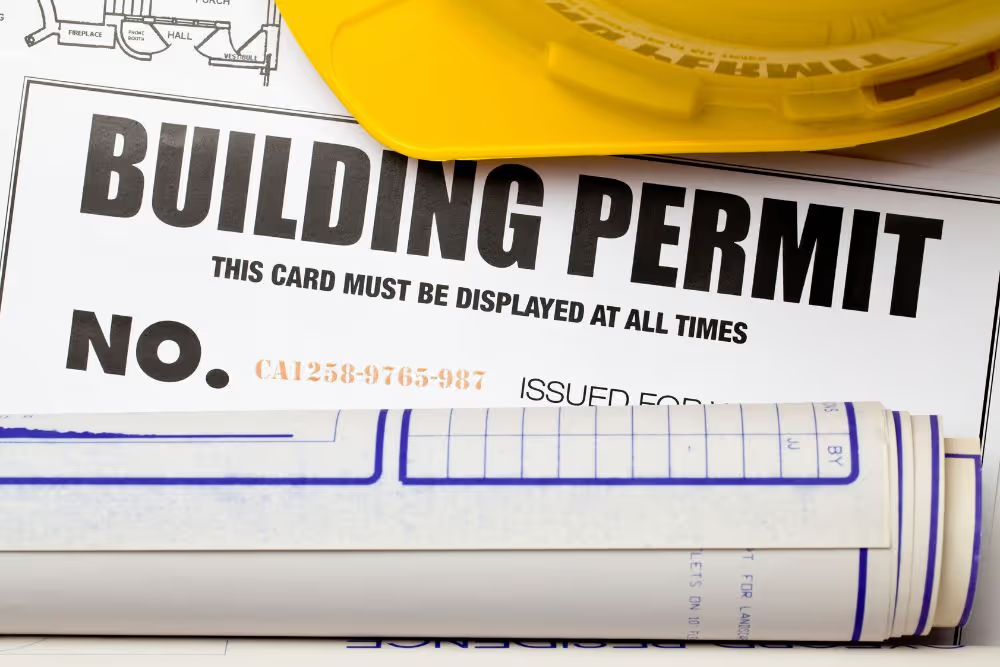
Palm Springs has specific requirements for wall height and location that determine whether a permit is required. The City of Palm Springs Building Department publishes specific handouts for freestanding block walls covering height and location rules for both interior and corner lots. These are worth reviewing before finalizing any wall design.
As a general framework, walls over a certain height relative to finished grade require a building permit, and walls on corner lots have more restrictive height limits near the intersection to maintain sight lines for drivers. The Palm Springs permit applications and forms page has the specific Wall/Fence handouts for freestanding block walls on interior lots, corner lots, and block walls atop retaining walls. Your contractor should pull the permit before work begins. An unpermitted wall that does not meet setback or height requirements can require removal and rebuild at the property owner's expense.
HOA communities add another layer. Most planned communities in Palm Springs and the broader Coachella Valley have CC&Rs that specify approved wall materials, heights, and sometimes colors or finishes. Getting HOA approval before pulling the city permit avoids the situation where one approves a design the other rejects.
Block Wall vs Other Fence Types in the Desert
Truly Tough Fencing Serving Palm Springs and the Coachella Valley
Our fencing division at Truly Tough Fencing handles block wall installation, block wall repair, stucco finish work, cap replacement, and full demolition and replacement across Palm Springs, Palm Desert, La Quinta, Rancho Mirage, Indio, and throughout the Coachella Valley. We pull permits, handle HOA submittals, and build walls that are reinforced correctly for the soil conditions and wind exposure specific to your property. Call us at 760-343-5785 or reach us at Fencing@TrulyTough.com.
Frequently Asked Questions
How much does block wall installation cost in Palm Springs?
Most residential block wall installations in Palm Springs run $60 to $120 per linear foot for a standard 6-foot stucco CMU wall with footing and rebar. Decorative block styles, difficult site access, wall demolition, or taller walls push costs higher. Get a quote that separates demolition, footing, block, finish, and cap so the numbers are easy to compare.
Do I need a permit for a block wall in Palm Springs?
Most block walls in Palm Springs require a permit from the City of Palm Springs Building Department, particularly any wall over standard height limits, walls on corner lots, and pool enclosure walls. The city publishes specific handouts for freestanding block walls on interior and corner lots. Your contractor should pull the permit before any work begins.
How long does block wall installation take?
Small repairs typically take one day. A standard residential installation of 50 to 100 linear feet runs three to five days including footing pour and cure time. Longer walls or projects requiring significant demolition of existing structures run five to seven days. Footing cure time before the block courses begin cannot be rushed without compromising the structural result.
Should I repair or replace my block wall?
Repair is the right call for isolated damage, stucco cracking, deteriorated caps, or broken block courses in a wall that is otherwise structurally sound. Replacement is correct when the wall is leaning, when cracks keep returning in the same location despite repairs, or when the wall has reached end-of-life with widespread deterioration. A leaning wall cannot be straightened in place and must be rebuilt.
What is the best block wall style for a mid-century modern home in Palm Springs?
Breeze block is the architecturally authentic choice for mid-century modern homes and is experiencing a strong revival throughout Palm Springs. For a cleaner, more contemporary look that still fits the era, smooth stucco block in a warm desert tone is the most common approach. Split-face block reads more modern and works well on post-2000 construction and contemporary remodels.
Why do block walls crack in Palm Springs?
The most common causes are footing settlement from irrigation water near the base of the wall, thermal cycling of the stucco finish coat from extreme summer heat, and expansive soil movement in certain soil profiles common in parts of Palm Springs. A crack that keeps coming back in the same spot after repair is almost always driven by footing movement rather than a surface issue.
How long does a block wall last in Palm Springs?
A properly built block wall with an adequate footing, rebar reinforcement, and grout-filled cores lasts 40 to 50 years in Palm Springs with minimal maintenance. The dry desert climate is actually favorable for concrete masonry longevity compared to wet or coastal climates. The stucco finish coat needs inspection every five to eight years, but the structural wall underneath is essentially permanent.
Can a block wall replace a wood fence in Palm Springs?
Yes, and it is almost always the better long-term decision in this market. Wood fencing in Palm Springs requires painting or staining every two to three years and typically needs full replacement within 10 to 15 years due to UV degradation and wind damage. A block wall costs more upfront but delivers 40-plus years with minimal maintenance and eliminates the repeated replacement and repair costs that wood accumulates in the desert climate.







.svg)
