.svg)


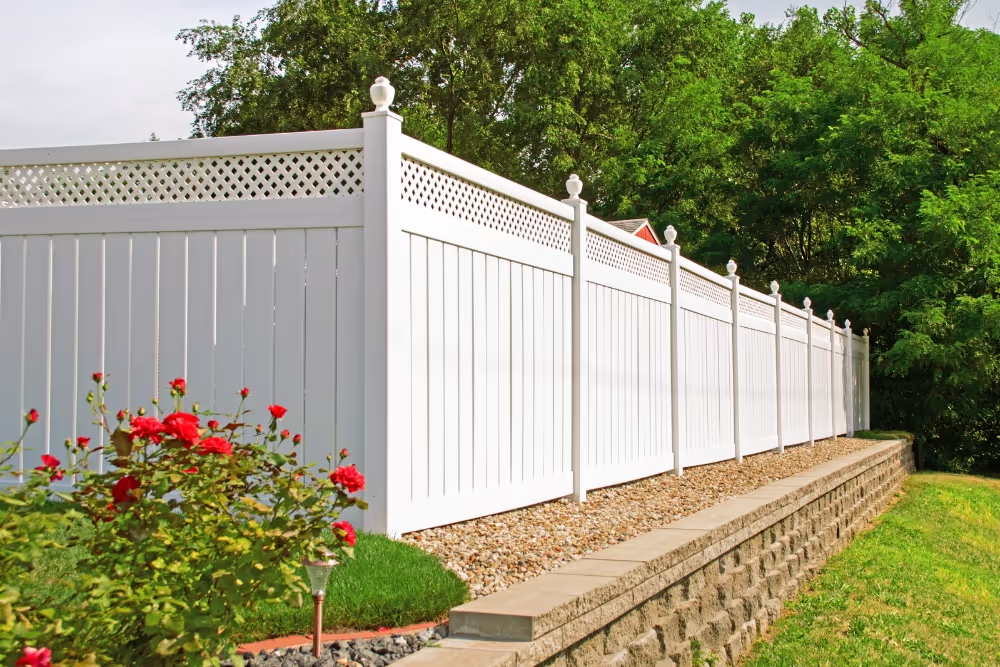
Vinyl fence installation in Palm Desert runs $35 to $85 per linear foot depending on height, style, and site conditions. For homeowners replacing aging wood fences or enclosing a pool, it is one of the more cost-effective long-term improvements available in the desert climate.
Vinyl Fence Installation and Repair in Palm Desert
Vinyl fence installation in Palm Desert makes sense for a specific set of homeowners. The material handles UV, heat, and dry desert conditions better than wood and at a lower upfront cost than block wall. It is the right answer when a clean, low-maintenance perimeter fence is the goal and a full masonry wall is more than the project warrants. In Southern California's desert communities, the realistic installed cost for a standard 6-foot white privacy vinyl fence runs $35 to $50 per linear foot. Premium styles, taller panels, colored finishes, or complex site conditions push that toward $85 per linear foot.
The market for vinyl fencing in Palm Desert is strongest in HOA communities, pool homes needing safety-compliant enclosures, and rental properties where minimal maintenance over the ownership period is a priority. Many of the planned communities east of Palm Desert's core, including newer developments in the Bermuda Dunes area and along the Highway 111 corridor, have HOA documents that specify vinyl or similar materials for side yard and rear yard fencing, which drives steady demand for the product.
We handle vinyl fence installs regularly in communities like Sun City, Palm Desert, where the combination of HOA requirements, pool enclosures, and aging wood fences being replaced keeps the project mix busy year-round. The wind exposure in some of these communities matters for how posts are set and how the panels are secured, which is worth understanding before picking a contractor.
Vinyl Fence Styles Available in Palm Desert
Vinyl fence comes in more styles than most homeowners realize. The right choice depends on what the fence has to accomplish, what the HOA allows, and where it sits on the property.
Cost of Vinyl Fence Installation and Repair in Palm Desert
Gates are quoted separately from the fence run. A standard walk gate adds $300 to $600. A wider vehicle or double gate runs $600 to $1,200. Old fence removal and disposal adds cost on top of the per-foot installation price and should always be itemized in any written quote. Ask for a breakdown that separates materials, labor, gate work, and removal so the quotes you receive are actually comparable.
What Drives Vinyl Fence Cost Up or Down
Vinyl vs Wood vs Block Wall in Palm Desert
The three most common residential fence materials in Palm Desert each have a legitimate place depending on the project. Understanding where vinyl fits relative to the alternatives makes the decision easier.
Wind Exposure and Post Setting in Palm Desert
Palm Desert sits in the Coachella Valley, and parts of the city, particularly western neighborhoods closer to the San Gorgonio Pass wind corridor, experience significant sustained and gusting wind events. How vinyl fence posts are set is the single most important quality variable in how a fence holds up to those conditions.
Standard post installation involves setting the post in a concrete footing below grade. The depth of that footing relative to the post height and the diameter of the hole determines how much leverage the wind has to rock the post loose over time. A post set too shallow in sandy desert soil with inadequate concrete footing is the most common reason vinyl fences fail in Palm Desert wind events. The post itself does not break. It rocks, then leans, then eventually the concrete plug pulls free.
For properties in exposed locations, steel-reinforced vinyl posts and deeper concrete footings are worth the additional material cost. On a fence that will stand for 25 years, the difference in post setting cost is negligible relative to the cost of resetting posts after a major wind event.
Semi-privacy or ranch rail styles perform better in consistently windy locations because the panels do not catch full wind load the way solid privacy panels do. If you are putting a fence along a property boundary that faces prevailing west winds with no windbreak, a contractor who understands the local wind conditions should be helping you choose the panel style and post specification before any material is ordered.
Common Vinyl Fence Repairs in Palm Desert
Vinyl fence repair is usually faster and less expensive than most homeowners expect. Most common failure points are isolated and fixable without replacing large sections of fence.
- Loose or leaning post. The most common repair call we get. A post that is rocking or visibly leaning usually has an undersized or deteriorated concrete footing beneath it. The fix involves excavating around the post, removing the damaged footing, resetting the post to proper depth, and repacking with fresh concrete. A single post reset takes a few hours and is inexpensive relative to replacing a section of fence.
- Cracked or broken panel. Individual vinyl panels can crack from impact or, on older material, from UV embrittlement over many years. Panels are modular and replacement is straightforward in most fence systems. The challenge is matching the color and profile of the existing fence if the product line has changed or been discontinued since the original installation. When purchasing a fence, ask about the manufacturer's parts availability for future repairs.
- Gate sagging or not latching properly. Gates are the highest-wear component of any fence. Hinges loosen, latch hardware wears, and gate frames can rack over time. Gate alignment and hardware issues are usually same-day repairs. A gate that consistently fails to self-close on a pool enclosure is a safety issue that should be addressed immediately, not deferred.
- Post cap or rail damage from wind. Rail connections and post caps take wind stress repeatedly over years. Popped rail connections and displaced post caps are common after significant wind events and are straightforward to reseat or replace. They are cosmetic issues that do not affect the structural integrity of the fence but are worth addressing before water gets into the hollow post interior.
Permits and HOA Requirements for Vinyl Fences in Palm Desert
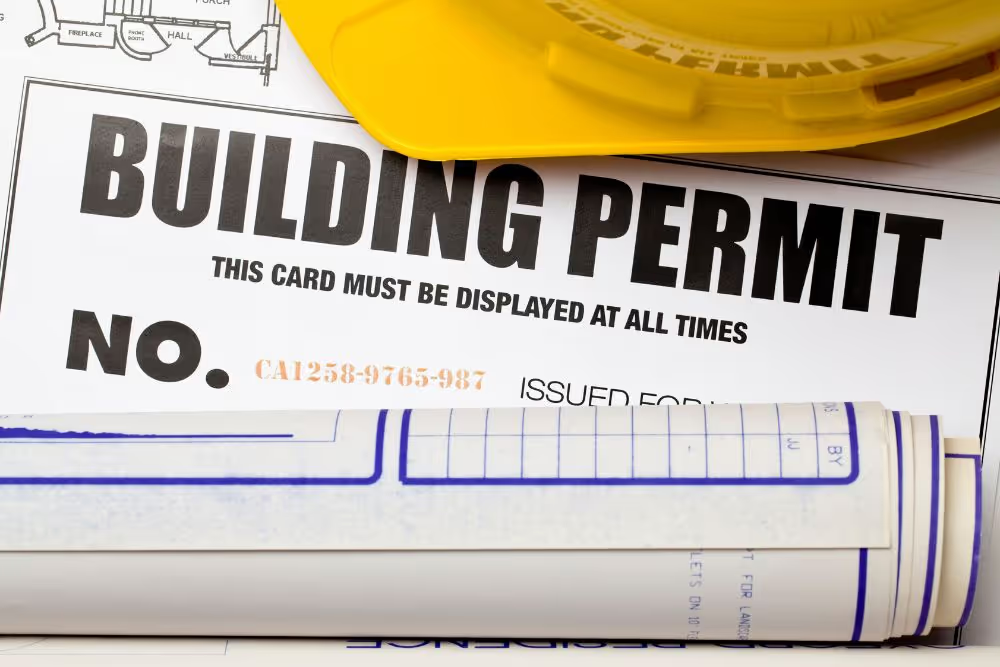
Whether a permit is required depends on the fence height, its location on the property, and what it is enclosing. The City of Palm Desert's Planning Department has a specific Fence and Walls Exception handout for projects that need to navigate height or setback exceptions. For standard residential fence installations within typical height limits, the Building and Safety Division handles permits through the city's online Clariti permitting portal.
Pool enclosure fencing always requires a permit in Palm Desert and must meet California pool barrier code requirements for post height, panel spacing, gate self-closing hardware, and latch placement. These are not optional. An unpermitted pool enclosure fence that does not meet code can create insurance and liability issues for the property owner if there is an incident involving the pool.
HOA approval is a separate process from city permitting and often has to come first. Many of Palm Desert's planned communities have specific fence specifications in their CC&Rs covering allowable materials, colors, heights, and post cap styles. Getting HOA approval before pulling the city permit avoids the situation where the HOA rejects a design that the city has already approved. A contractor who has worked extensively in Palm Desert HOA communities will know which communities have strict specifications and which have flexible guidelines.
Truly Tough Fencing Serving Palm Desert and the Coachella Valley
Our fencing division at Truly Tough Fencing handles vinyl fence installation, repairs, pool enclosures, gate replacement, and full old fence removal across Palm Desert, Palm Springs, La Quinta, Rancho Mirage, Indio, and throughout the Coachella Valley. We understand HOA specifications, California pool barrier requirements, and how to set posts correctly for Palm Desert wind conditions. Call us at 760-343-5785 or reach us at Fencing@TrulyTough.com.
Frequently Asked Questions
How much does vinyl fence installation cost in Palm Desert?
Most vinyl fence installations in Palm Desert run $35 to $50 per linear foot for a standard 6-foot white or tan privacy fence on level ground. Complex installations with premium colors, taller panels, difficult terrain, or multiple gates reach $50 to $85 per linear foot. Old fence removal is typically quoted separately. Gates add $300 to $1,200 each depending on size and style.
How long does vinyl fence last in Palm Desert?
Quality vinyl fence with UV-stabilized PVC and properly set posts lasts 20 to 30 years in Palm Desert's desert climate with minimal maintenance. Consumer-grade vinyl using thinner panels and non-UV-stabilized material degrades faster and may show significant fading and brittleness within 10 to 15 years in the intense desert sun. The grade of material specified at installation determines how long the fence performs.
Does vinyl fence hold up to Palm Desert winds?
Quality vinyl with properly set deep-footings concrete posts handles typical residential wind loads well. Solid privacy panels on exposed lots in high-wind corridors are more vulnerable than semi-privacy or open styles because they catch full wind load. Properties in consistently windy areas benefit from steel-reinforced posts, deeper footings, and possibly a semi-privacy style that allows airflow through the panels.
Do I need a permit for a vinyl fence in Palm Desert?
It depends on the fence height, location, and what it encloses. Standard rear yard fencing within typical height limits may not require a permit. Taller fences, front yard fencing, pool enclosures, and property line fences in some zones require a permit from Palm Desert Building and Safety. Pool barrier fencing always requires a permit and inspection. Verify current requirements with Palm Desert's Development Services Center before any work starts.
Can I install vinyl fence in an HOA community in Palm Desert?
Most HOA communities in Palm Desert allow vinyl fencing and many specifically require it over wood. The specifics depend on the CC&Rs for your community, which govern allowable colors, heights, styles, and post cap requirements. Always obtain HOA approval before pulling a city permit. A contractor experienced in Palm Desert HOA communities can help identify the right specification for your neighborhood before any material is ordered.
Is vinyl fence better than wood in Palm Desert?
For almost any long-term ownership scenario, yes. Wood fence in Palm Desert requires painting or staining every two to three years and typically needs full replacement within 10 to 15 years due to UV degradation and wind damage. Vinyl requires no painting and lasts 20 to 30 years. The higher upfront cost of vinyl is typically recovered within one wood fence replacement cycle, and the ongoing maintenance savings are significant over a 20-year ownership period.
What is the best vinyl fence color for Palm Desert?
White is the most common and least expensive. Tan and almond tones are popular because they read warmer against desert landscaping and stucco exterior finishes common in the area. Darker colors, including gray and wood-grain finishes, cost more per linear foot due to more complex pigmentation and can absorb more heat in direct sun. Any quality UV-stabilized vinyl holds color well regardless of the shade chosen, but lighter colors stay cooler to the touch on west-facing walls in summer.
How long does vinyl fence installation take?
Small repairs are typically completed same day. A standard residential installation of 100 to 150 linear feet runs one to two days. Larger projects with multiple gates and full perimeter fencing on a larger lot run two to five days. Post concrete needs to set before panels are installed, so the timeline cannot be compressed below a minimum cure period for the footings.







.svg)
