.svg)


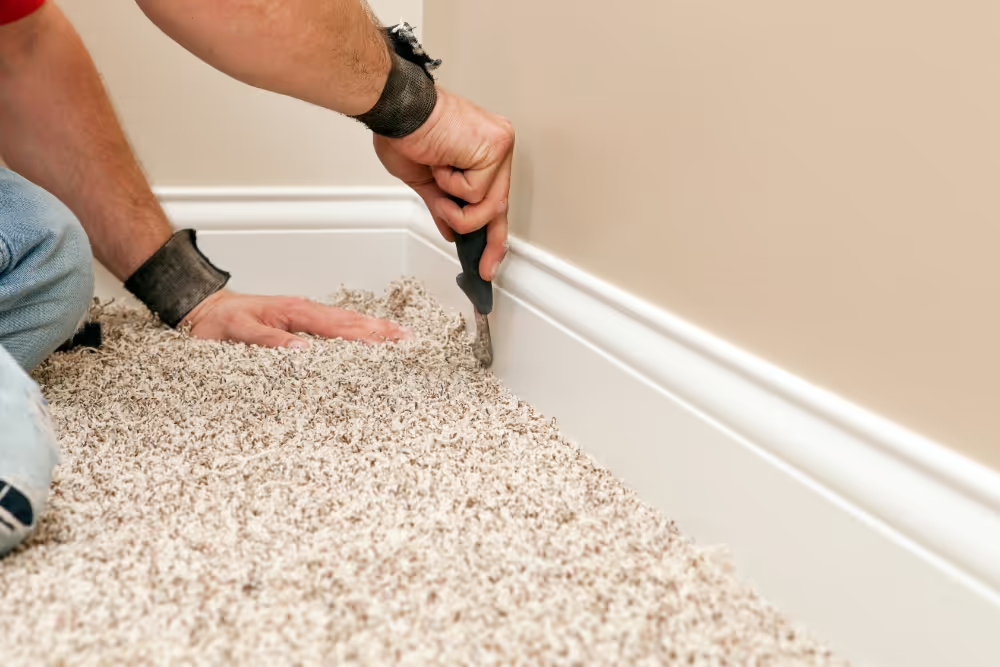
Carpet installation in the Coachella Valley is faster and less expensive than most other flooring options, and for bedrooms, rental properties, and stair runs it is often the most practical choice when the goal is a quality result on a defined budget.
Carpet Installation and Repair in the Coachella Valley
Carpet installation in the Coachella Valley typically runs $4 to $10 per square foot installed, covering padding, materials, and labor for most standard residential projects. Budget polyester products at the lower end, quality nylon or premium frieze at the higher end. Repair work covering restretching loose carpet, patching pet or water damage, or fixing failing seams usually runs $150 to $1,500 depending on what is involved. A full single room can often be replaced in a single day. Whole-home installations generally wrap up in one to two days.
Carpet holds a specific position in the Coachella Valley flooring market. It is not the right choice for every room or every property type. But for bedrooms, hallways, rental turnover projects, and any situation where comfort, speed, and budget are the primary considerations, it competes with nothing else on a straight cost-per-square-foot basis. A bedroom that would cost $2,500 to $4,000 to floor in engineered hardwood can often be done in quality nylon carpet for $800 to $1,500 installed. That gap matters when decisions are being made across a whole home or a portfolio of rental units.
We do a significant amount of carpet work across Palm Springs, Palm Desert, La Quinta, Indio, and the surrounding valley communities. The most common projects are rental property turnovers, bedroom upgrades in homes that have already been tiled or hardwood in the main living areas, and stair installs where homeowners want the safety and sound reduction that carpet provides on a staircase.
How Desert Climate Affects Carpet in the Coachella Valley
Most carpet content is written for general markets. The Coachella Valley puts specific stresses on carpet that are worth understanding before selecting a product.
- UV fading through large windows. The desert sun angle and intensity accelerate the photodegradation process that breaks down dye bonds in carpet fibers. South and west-facing rooms with significant glazing will fade carpet faster here than in any coastal California market. Solution-dyed nylon, where color is locked into the fiber during manufacturing rather than applied to the surface, holds its color significantly longer than conventionally dyed products under sustained UV exposure. For rooms with large south-facing windows, it is the right specification.
- Dust and fine sand infiltration. Desert dust and wind-blown sand particles are finer and sharper than typical household dirt. They work into carpet fibers and act like an abrasive, accelerating fiber wear from the base up. High-pile and shag styles trap significantly more of this material than low-to-medium pile options. Frieze and Berber styles, with their tighter fiber construction, are easier to vacuum clean and hold up better over time in the valley's dusty conditions.
- Dry air and static. Low humidity increases static electricity in carpet, which in turn attracts more airborne dust and particles. This is a minor but real factor in how quickly carpet looks dirty between cleanings in a desert home. Nylon carpet with built-in static control performs better in low-humidity environments than most other fiber types.
- Rental property wear cycles. Short-term rental properties throughout the valley see far more turnover and foot traffic than owner-occupied homes. HUD's useful life guideline for rental carpet is five years under normal use. In a high-turnover vacation rental running at strong occupancy, that practical lifespan can compress to three to four years depending on traffic volume and how the property is managed. Choosing a mid-grade nylon product over entry-level polyester at the start of each replacement cycle significantly extends the time before the next one is needed.
Carpet Types and Materials for Coachella Valley Homes
Cost of Carpet Installation and Repair in the Coachella Valley
Old carpet removal and disposal adds $0.50 to $1.50 per square foot and is sometimes quoted separately. Stairs add meaningful labor cost because each tread and riser is installed individually. Always request an itemized quote that breaks out materials, padding, labor, removal, and any stair work separately so bids are genuinely comparable.
Carpet for Rental Properties in the Coachella Valley
The Coachella Valley has one of the densest concentrations of short-term and vacation rental properties in California. Managing carpet in those properties involves a different set of decisions than a primary residence.
The most common mistake rental property owners make is installing the least expensive carpet available at turnover and then replacing it again two to three years later. A mid-grade nylon product costs more upfront but holds up through more turnover cycles before looking worn enough to replace. Over a six-to-eight-year horizon, the owner who invests in quality nylon at the start replaces carpet once. The owner who installs entry-level polyester at every turnover replaces it twice or more over the same period, with the associated labor and disruption costs each time.
For Airbnb and short-term rental properties in particular, carpet condition directly affects review scores. Guests notice worn, stained, or flat carpet immediately. It shows in photos and in reviews. Staying current on carpet in bedrooms and replacing it on a planned schedule rather than waiting for obvious failure is one of the more straightforward ways to protect the property's rating and nightly rate.
For rental units, frieze in a mid-grade nylon with a stain treatment applied is the practical specification in most cases. It hides wear between cleanings, holds up to higher turnover traffic than plush styles, and gives the property a clean, maintained appearance that reads well in listing photos.
Where Carpet Works in Coachella Valley Homes
Carpet is not the right flooring for every room. In the Coachella Valley market, tile and hardwood flooring in living areas and kitchens is the standard expectation in most mid-range and luxury homes. Carpet finds its natural place in specific rooms and applications where its advantages over hard surfaces are most relevant.
Carpet Repair vs Replacement in the Coachella Valley
Not every carpet problem requires full replacement. Knowing which situation calls for repair and which calls for replacement is the most important decision in managing carpet cost across a home or rental property.
Padding Matters More Than Most Homeowners Realize
The pad under the carpet does not get seen or touched, so it is the part of the project that homeowners most often accept a downgrade on to save cost. That is usually the wrong trade-off.
Pad thickness and density directly affect how long the carpet above it lasts and how it feels underfoot. A thin, low-density pad lets the carpet flex and move against the subfloor with every step, which accelerates wear at the fiber base. A quality pad absorbs that compression and distributes it, keeping the carpet surface from grinding against the subfloor with foot traffic. The carpet that feels luxurious in the showroom and flat and worn two years after installation almost always has a thin pad underneath it.
For most Coachella Valley residential installations, a 7/16-inch pad at 6-pound density is a reasonable minimum specification. For bedrooms where comfort is the primary goal, an 8-pound density pad adds meaningful softness underfoot. For rental properties where cost per cycle matters more than peak comfort, a 6-pound density pad is the right balance between performance and budget.
Truly Tough Flooring Serving the Coachella Valley
Our flooring division at Truly Tough Flooring handles carpet installation, repair, and replacement across Palm Springs, Palm Desert, La Quinta, Rancho Mirage, Indio, and throughout the Coachella Valley. We work with rental property owners, primary residence upgrades, and whole-home flooring projects. Same-day repairs, next-day installs for most bedroom and single-room projects. Call us at 760-343-5885 or reach us at Flooring@TrulyTough.com.
Frequently Asked Questions
How much does carpet installation cost in the Coachella Valley?
Most carpet installations in the Coachella Valley run $4 to $8 per square foot installed for standard residential projects, covering padding, materials, and labor. Premium nylon, upgraded padding, stairs, or complex layouts push cost toward $8 to $10 per square foot. Old carpet removal adds $0.50 to $1.50 per square foot and is sometimes quoted separately. Get an itemized quote so you can compare bids accurately.
What is the best carpet for a desert climate like the Coachella Valley?
Solution-dyed nylon in a frieze or low-to-medium pile style is the strongest specification for most Coachella Valley applications. Solution-dyed fiber holds color under intense UV exposure significantly better than conventionally dyed carpet. Nylon outperforms polyester in resilience and longevity, and frieze construction hides the dust infiltration and wear that desert conditions accelerate faster than most other styles.
How long does carpet last in the Coachella Valley?
Quality nylon carpet in an owner-occupied home realistically lasts 8 to 12 years with regular vacuuming and periodic professional cleaning. In rental properties with high turnover, HUD's useful life guideline is five years under normal use, and in a high-occupancy short-term rental that can compress to three to four years. UV exposure from large west and south-facing windows is the biggest driver of early replacement in desert homes.
Can carpet be repaired instead of replaced in the Coachella Valley?
Yes, in many cases. Loose or wrinkled carpet can be restretched in a single visit. Isolated pet damage or stain areas can be patched using matching material from a closet remnant. Seam failures are typically straightforward repairs. Water damage is the exception: saturated padding must be removed and replaced, and the subfloor inspected, because drying the surface carpet over a wet pad creates mold conditions that develop silently over weeks.
What carpet type is best for a Coachella Valley rental property?
Mid-grade nylon in a frieze style with a stain treatment applied is the practical standard for rental property bedrooms throughout the valley. It hides wear between cleanings, holds up to turnover traffic better than plush styles, and gives the property a clean appearance that photographs well for listings. Investing in quality nylon at each replacement cycle extends the time before the next one is needed, which matters when labor and disruption are factored into the real cost of each replacement.
Does carpet fade in the Coachella Valley sun?
Yes, UV exposure is a real factor in desert carpet lifespan. Rooms with large south or west-facing windows will show fading in direct sun paths faster than shaded rooms, particularly with conventionally dyed carpet. Solution-dyed nylon locks color into the fiber during manufacturing and resists UV fading significantly better than surface-dyed products. UV-blocking window film on heavily exposed windows extends carpet life in those rooms meaningfully.
How long does carpet installation take?
A single room is typically a same-day project. A whole-home installation covering multiple bedrooms, hallways, and stairs usually completes in one to two days. Repairs including restretching and patching are generally same-day work. Carpet has one of the fastest installation timelines of any flooring material, which makes it the practical choice when a rental property needs to turn over quickly.
Is carpet a good choice for a home I am preparing to sell in Palm Desert or Palm Springs?
Fresh carpet in good condition helps a home show well and photographs cleanly, which matters in the Coachella Valley market where listing photos are the first impression for most buyers. If existing carpet is stained, flat, or visibly worn, replacing it before listing is a straightforward improvement with a clear return. Buyers deduct a much higher number from their offers for carpet they plan to replace than the actual replacement cost, so fresh carpet before listing often pencils out better than a price reduction.







.svg)
