.svg)


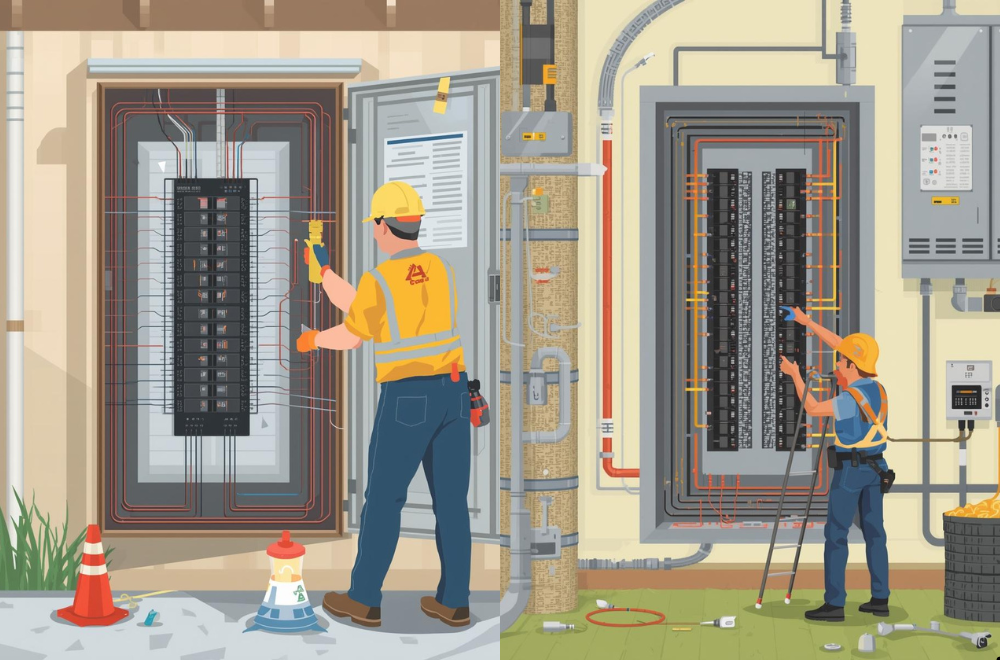
Homes across the Coachella Valley, from Palm Desert to Rancho Mirage, frequently outgrow their existing electrical service panels. As older properties in Indio and La Quinta add EV chargers, pool equipment, HVAC upgrades, or high‑end kitchen appliances, the limitations of outdated panels become obvious, breakers trip, electronics behave erratically, or the main disconnect doesn’t have sufficient capacity. Understanding cost, what influences it, and how pros evaluate your system can save thousands in surprise expenses.
Why Panel Upgrades Are Becoming a Local Necessity
In desert climates like Palm Springs, electrical systems endure extreme heat, which accelerates wear on breakers and bus bars. Many mid‑century built homes were originally equipped with 100‑amp panels, fine for basic loads but inadequate for modern usage patterns here, especially when solar, HVAC, and charging loads converge. Additionally, electrical codes have evolved; older installations often lack AFCI/GFCI protection now required for bedrooms, kitchens, garages, and outdoor circuits.
What an Electrical Panel Upgrade Involves
Upgrading a panel is not just swapping a box. A standard upgrade may include:
- Evaluating existing service conductors and grounding system
- Installing new panel and breakers rated for current load requirements
- Reconfiguring branch circuits as needed
- Upgrading grounding/earthing per NEC and local code
- Coordination with utility if service conductor or meter base needs change
In many Rancho Mirage and Palm Desert homes, this may also include a subpanel addition if the main panel doesn’t have enough spaces for critical circuits.
Typical Electrical Panel Upgrade Cost Range
Before we dive deeper, here’s a clear cost comparison based on typical configurations you’ll see around the Valley:
Visual Cost Breakdown (Quick Reference)
This bar visualization helps readers quickly grasp relative investment, with the 200A upgrade (the most common in Palm Springs subdivisions) landing in the mid‑range of time, materials, and labor.
What Impacts Panel Upgrade Cost Most
Costs vary widely because of these main factors:
Panel Size and Rating: Upgrading to 200A is more expensive than to 150A due to larger enclosures, more expensive breakers, and often a full breaker re‑layout.
Existing Wiring and Service Conductors: If conductors from the utility to the meter or from meter to panel are undersized, they may need replacement, often triggered in older Indio homes.
Meter Base or Service Lugs: Some service configurations require changing the meter base, adding to labor and material.
Subpanel Addition: Adding a subpanel for specialized loads (EV charger, workshop circuits) increases cost.
Permits and Inspection Fees: City electrical fees in La Quinta and Rancho Mirage vary; always budget for permit cost and final inspection.
Accessibility: Tight attic spaces or finished garages increase labor time, much more so than in open utility closets common to newer Palm Desert builds.
Why DIY Isn’t an Option
Electrical panel work involves service conductors, grounding, neutral bonding, and breaker configuration that must comply with NEC and local utility standards. Improper installation can cause fire hazards, nuisance tripping, or failures that insurance might not cover. Licensing, inspection, and utility notification are not optional in the Coachella Valley.
For professional service and evaluation, homeowners in the area can contact Truly Tough Electrical at Electrical@TrulyTough.com or 760‑343‑5854.
When a Panel Upgrade Pays Off Most
Panel upgrades provide value when:
- You’re adding high‑load equipment (EV charger, spa/pool heater)
- You have frequent breaker trips
- Insurance requirements for newer panel standards
- Home resale, modern buyers expect 200A service
- You’re combining a solar installation with load capacity changes
Frequently Asked Questions
Real‑World Example: Palm Desert Upgrade Scenario
On a mid‑century home in Palm Desert, a 100A service was pushed beyond capacity when owners added pool equipment and a home office. After load analysis, a 200A panel upgrade allowed safe addition of dedicated circuits and prevented nuisance trips. The job included conductors replacement due to aged insulation, typical in older Coachella Valley electrical systems.
Closing Perspective
An electrical panel upgrade is more than a cost line item, it’s a strategic investment in safety, functionality, and long‑term home value. In the desert climate of the Coachella Valley, where electrical demand is high and heat accelerates wear, choosing the right panel size and professional installation matters. With clear expectations and quality work, homeowners can upgrade confidently and avoid future disruptions.


.svg)
